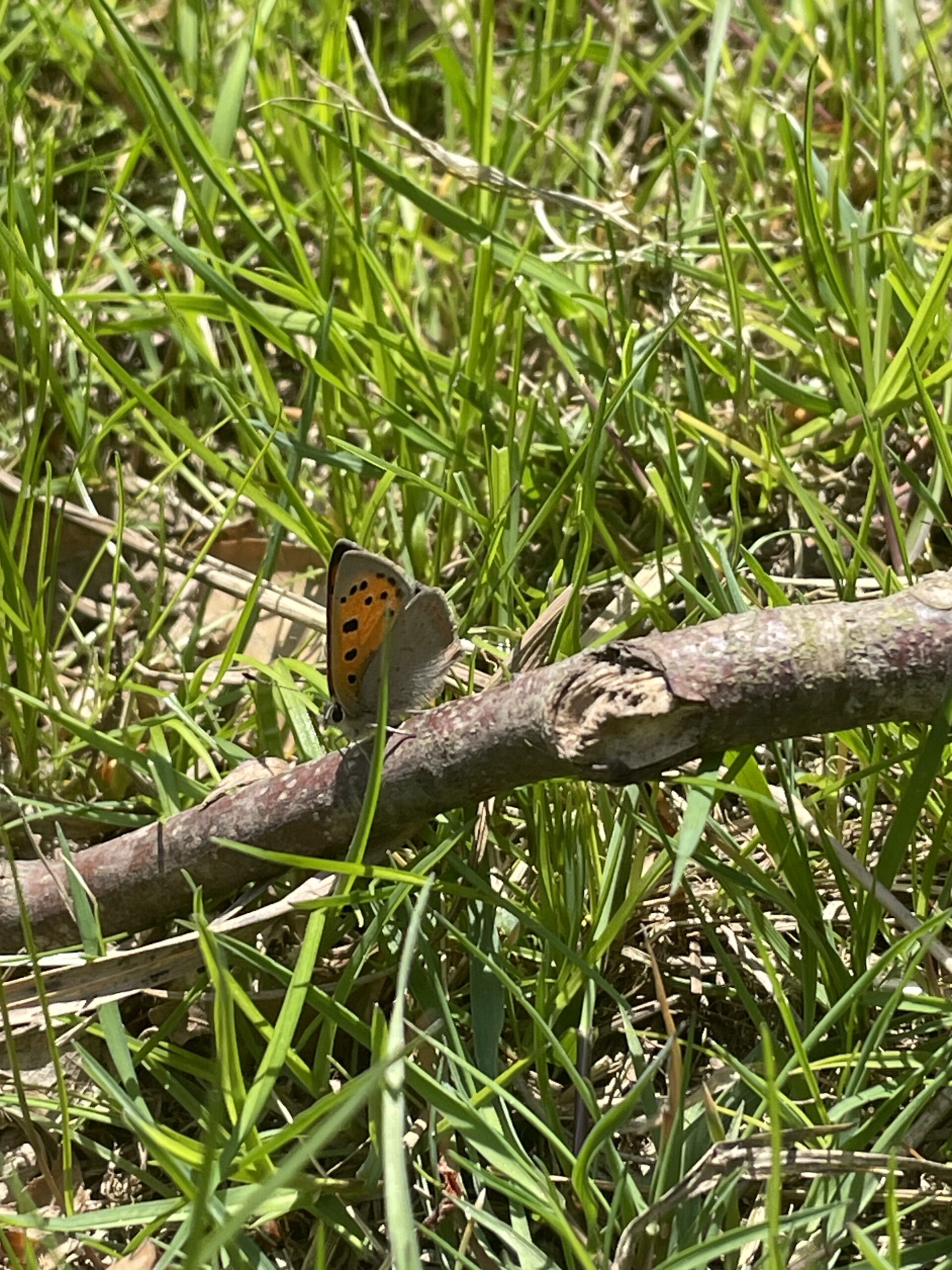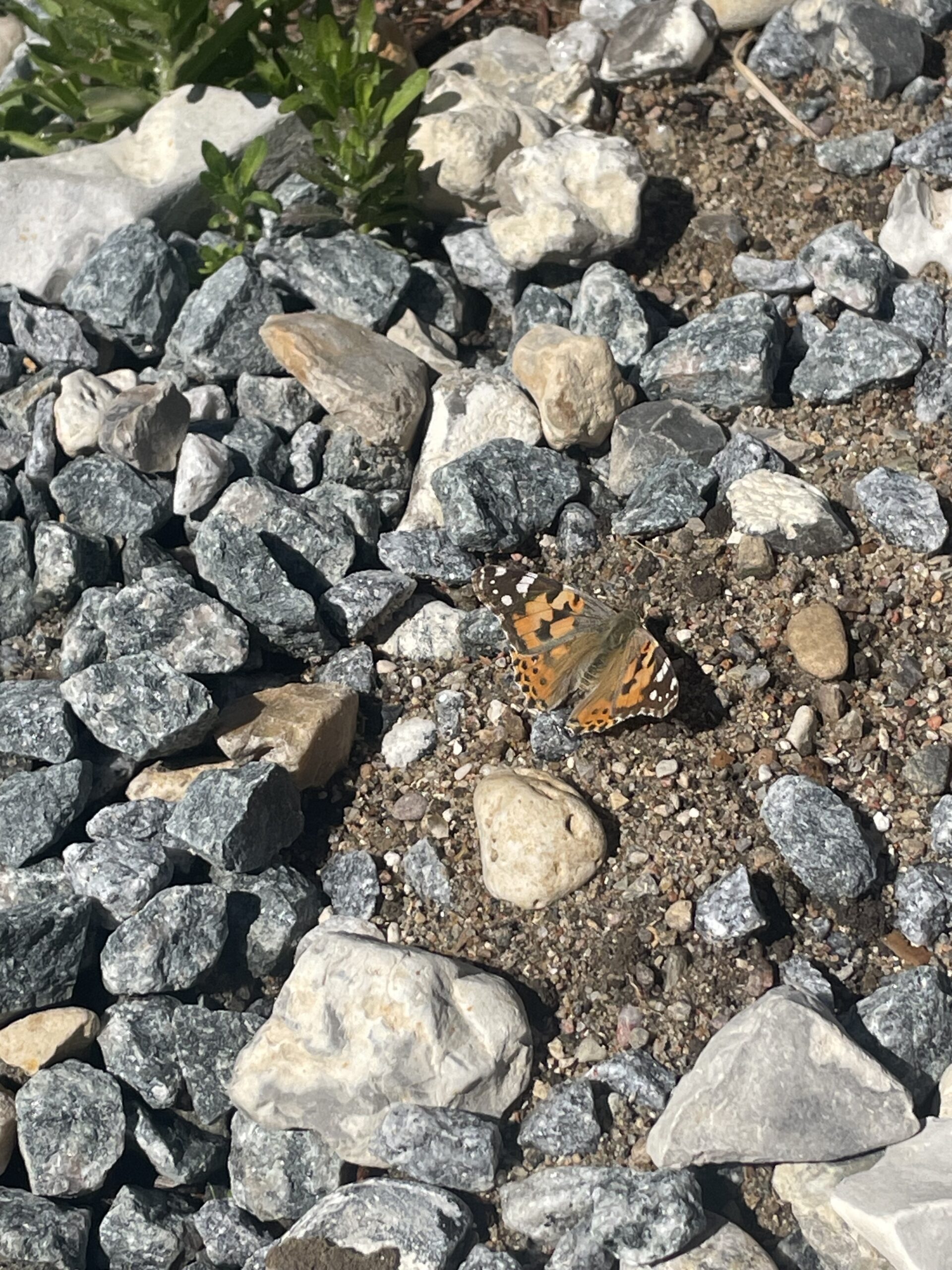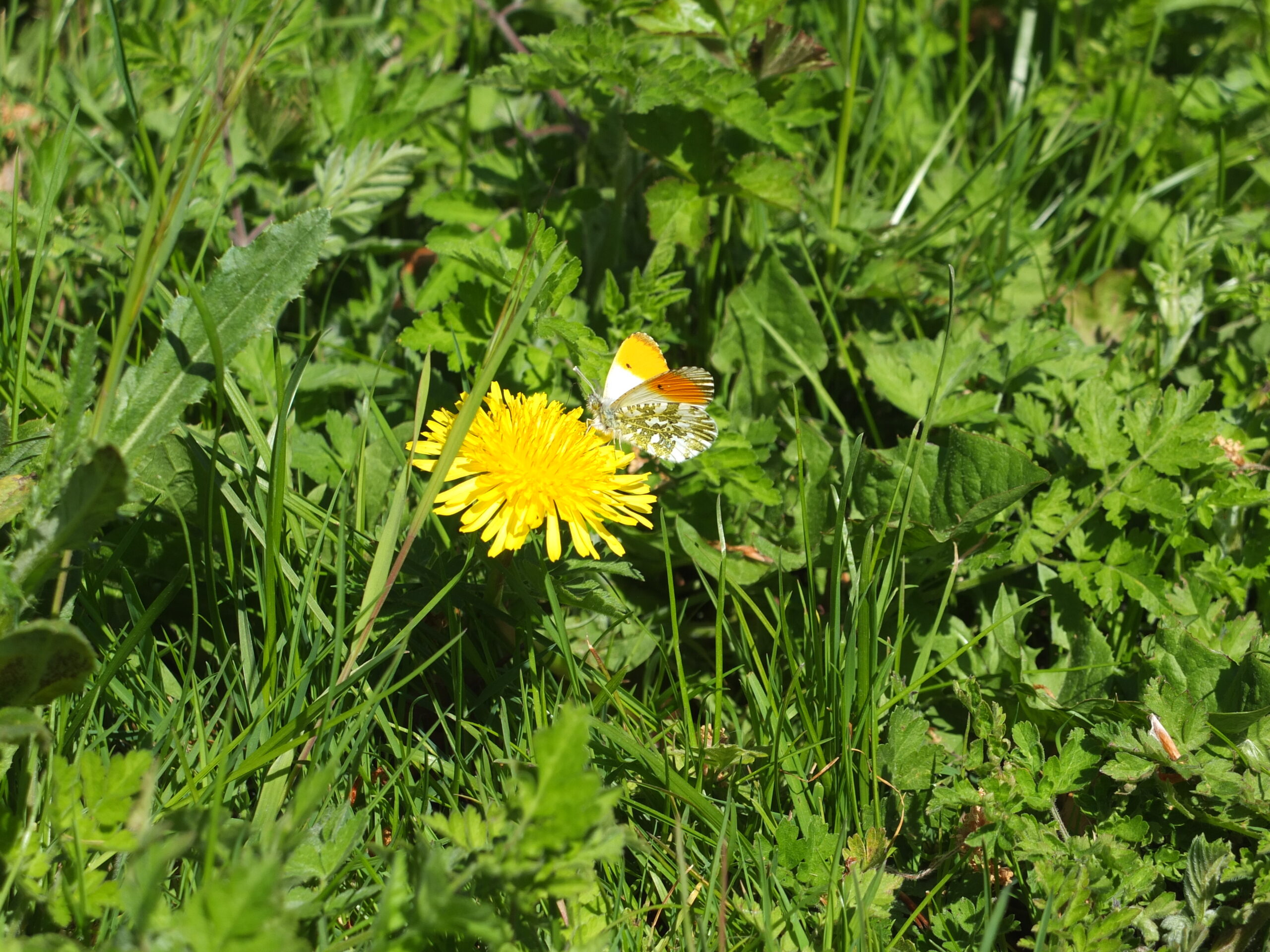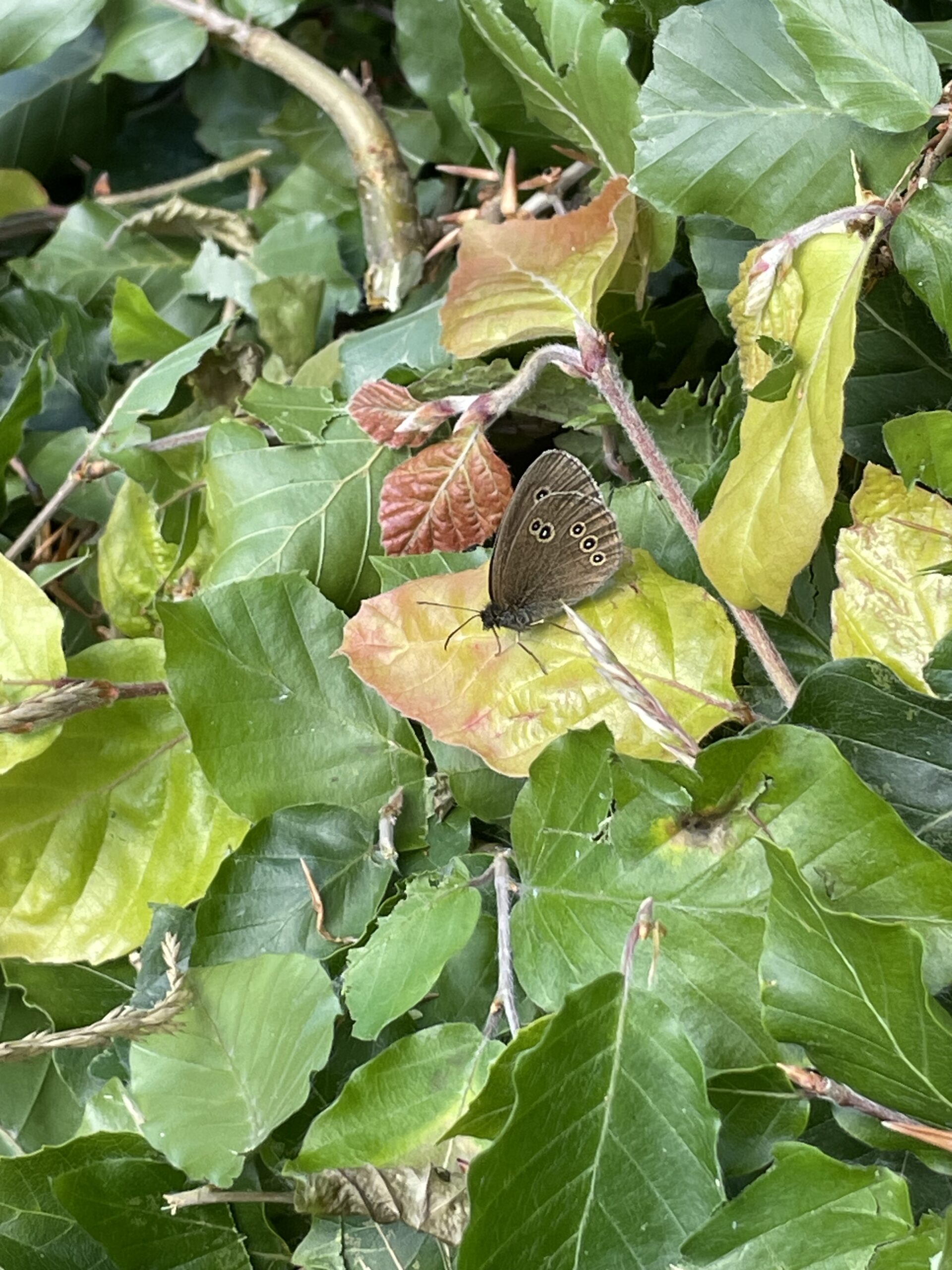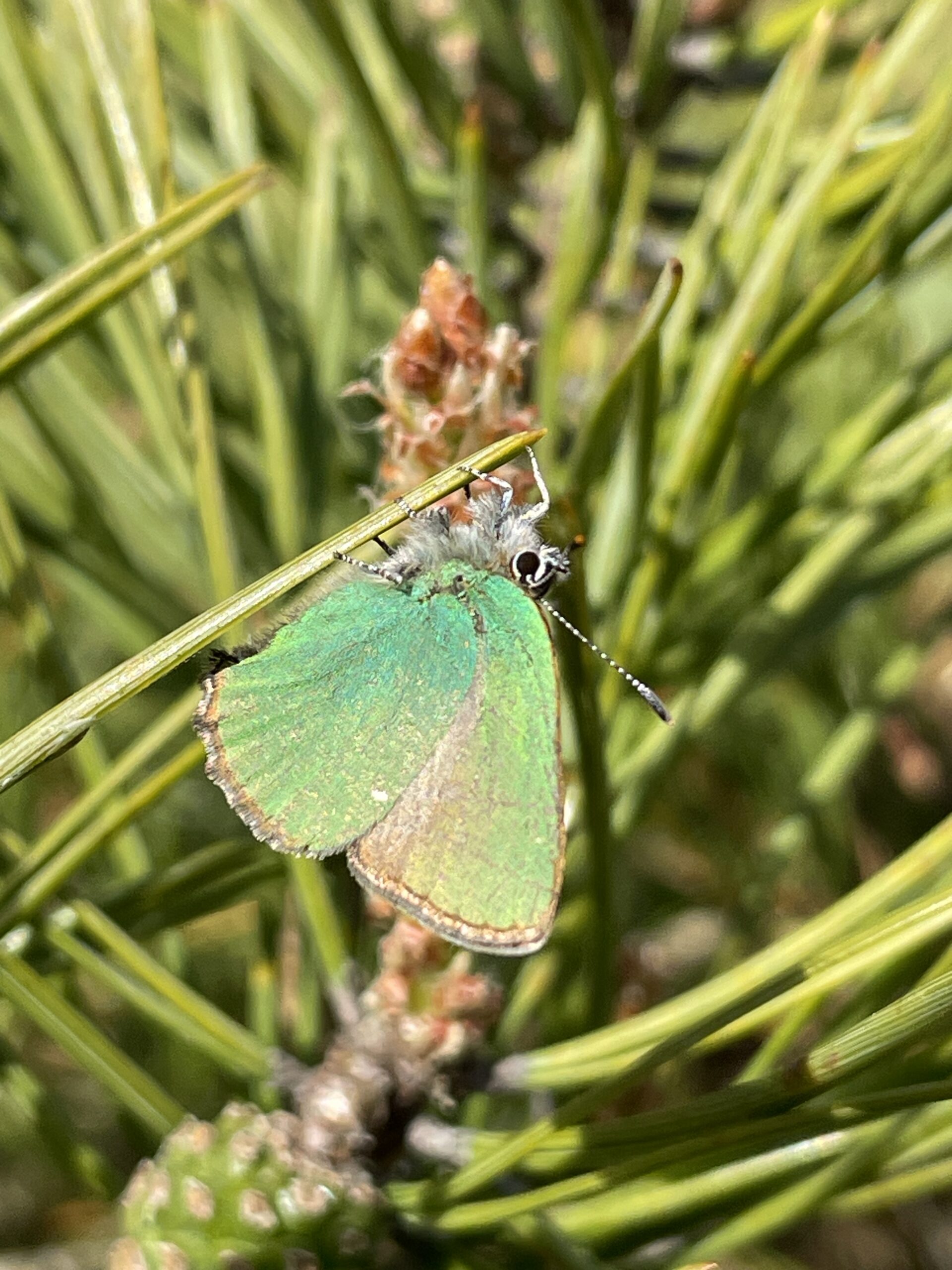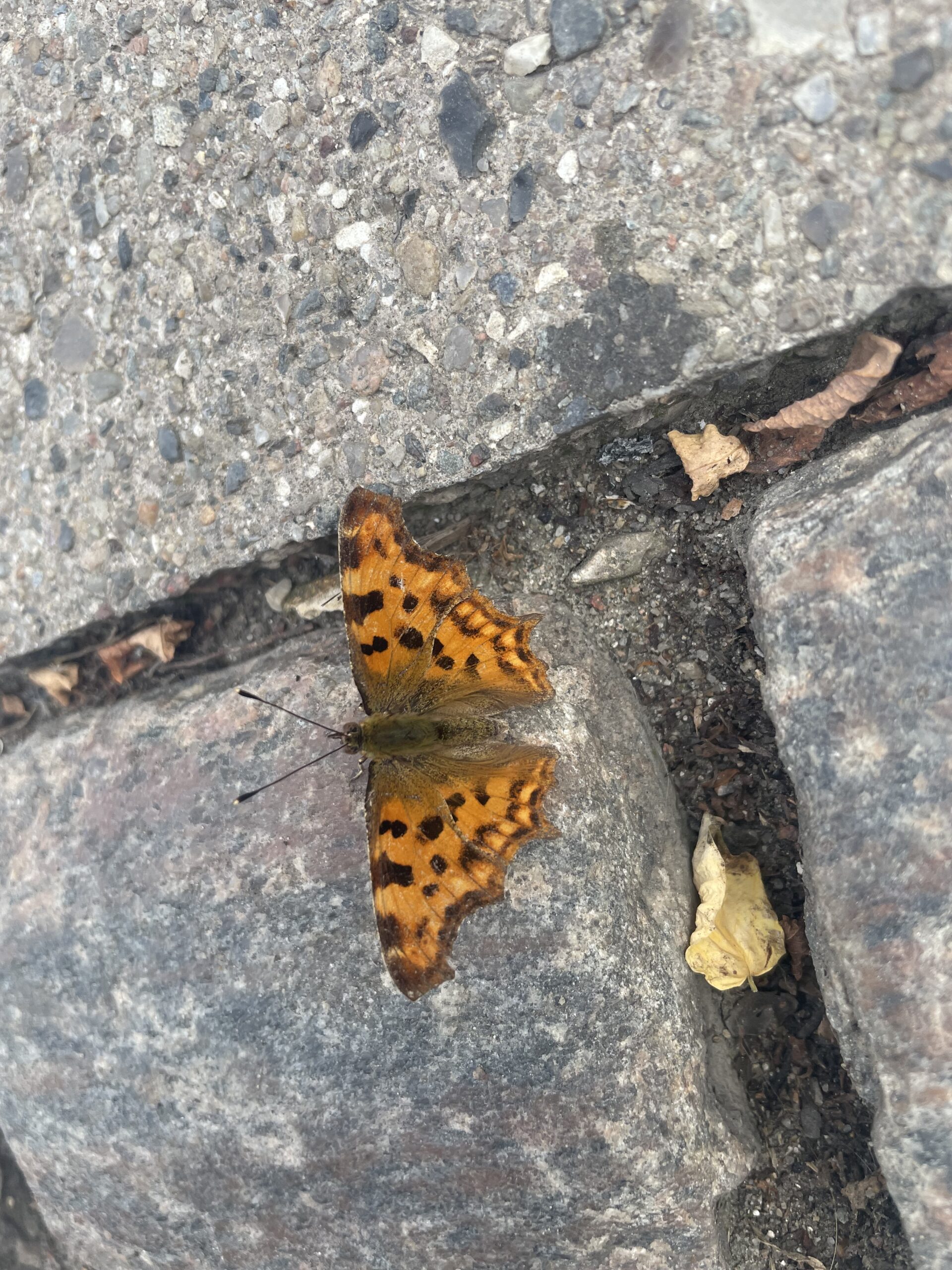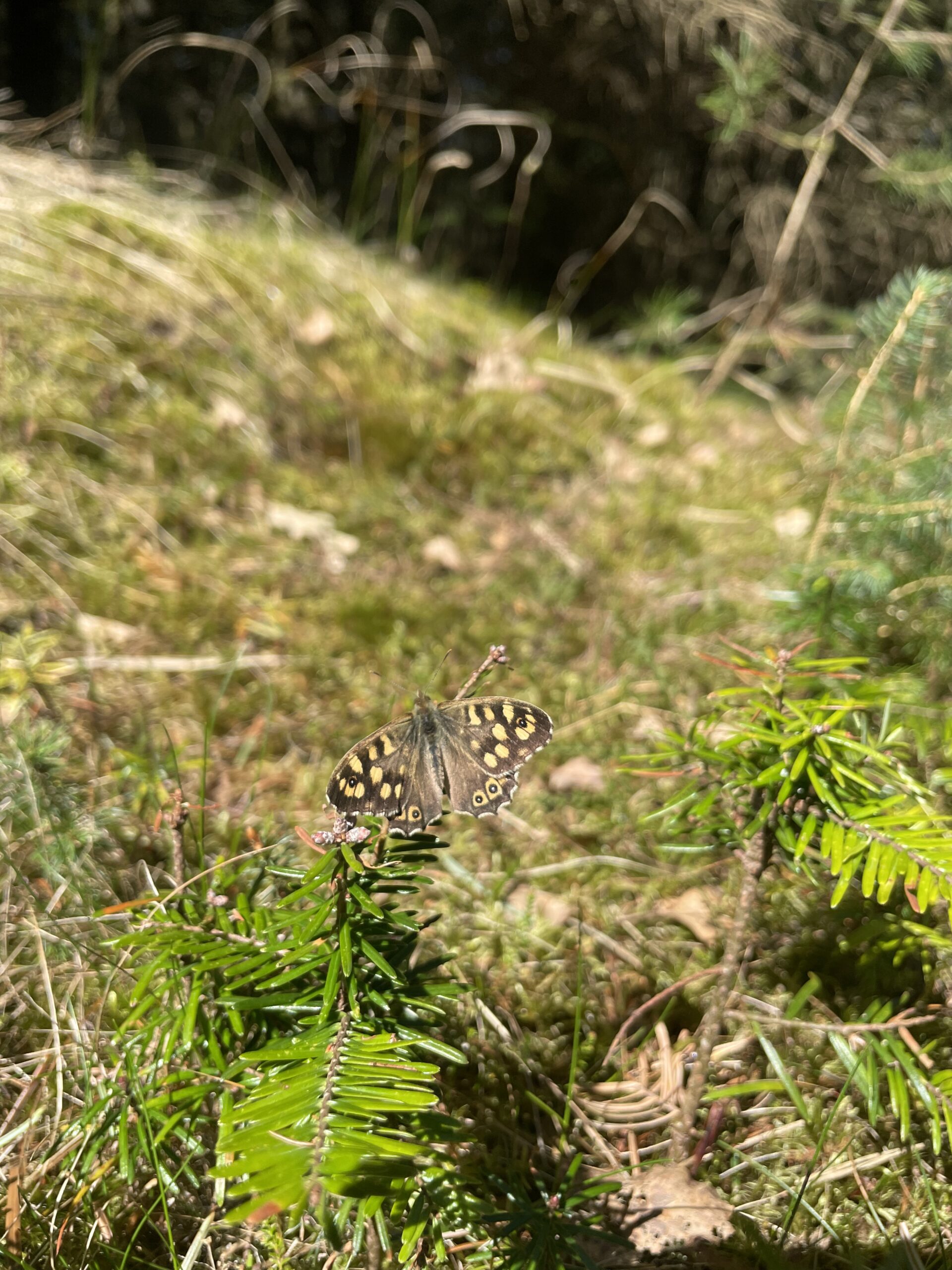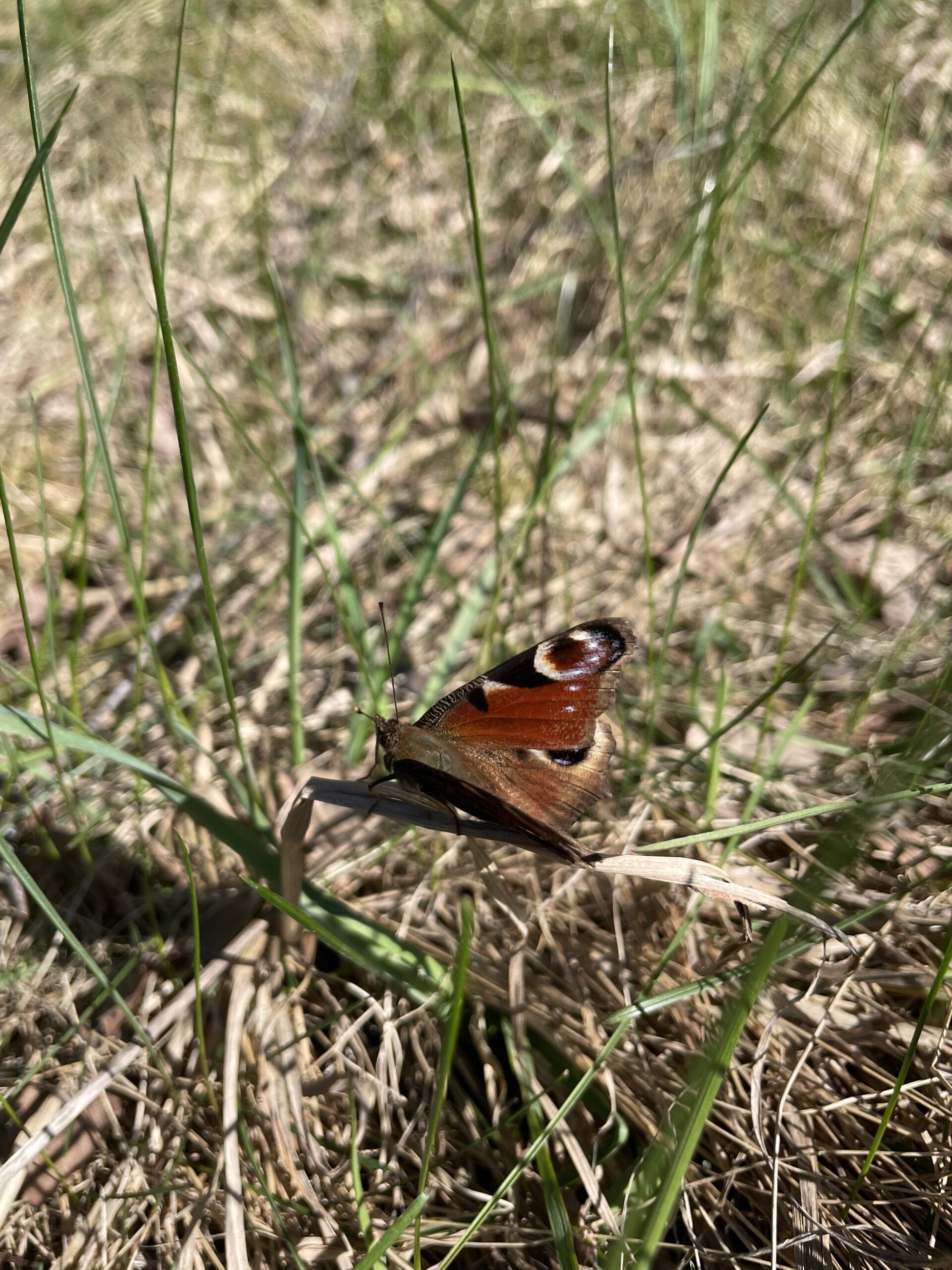
A large number of butterflies and a wide variety of species are often a sign of a natural environment with good habitats and room for a rich diversity of plant and animal life. However, many of Denmark’s butterflies are in decline due to habitat degradation and loss, fewer host plants, and an increasingly fragmented natural environment.
By understanding our natural world and the species that live alongside us, we can become better at caring for it. At the same time, we can help gradually create and preserve better habitats for the species that already exist around us.
We often go out into nature with a specific purpose in mind. It might be to reach the top of a hill with a beautiful view, pick mushrooms, swim in the ocean, or see a particular animal. All of these things can contribute to our well-being—and at the same time give us a greater understanding of the nature around us.
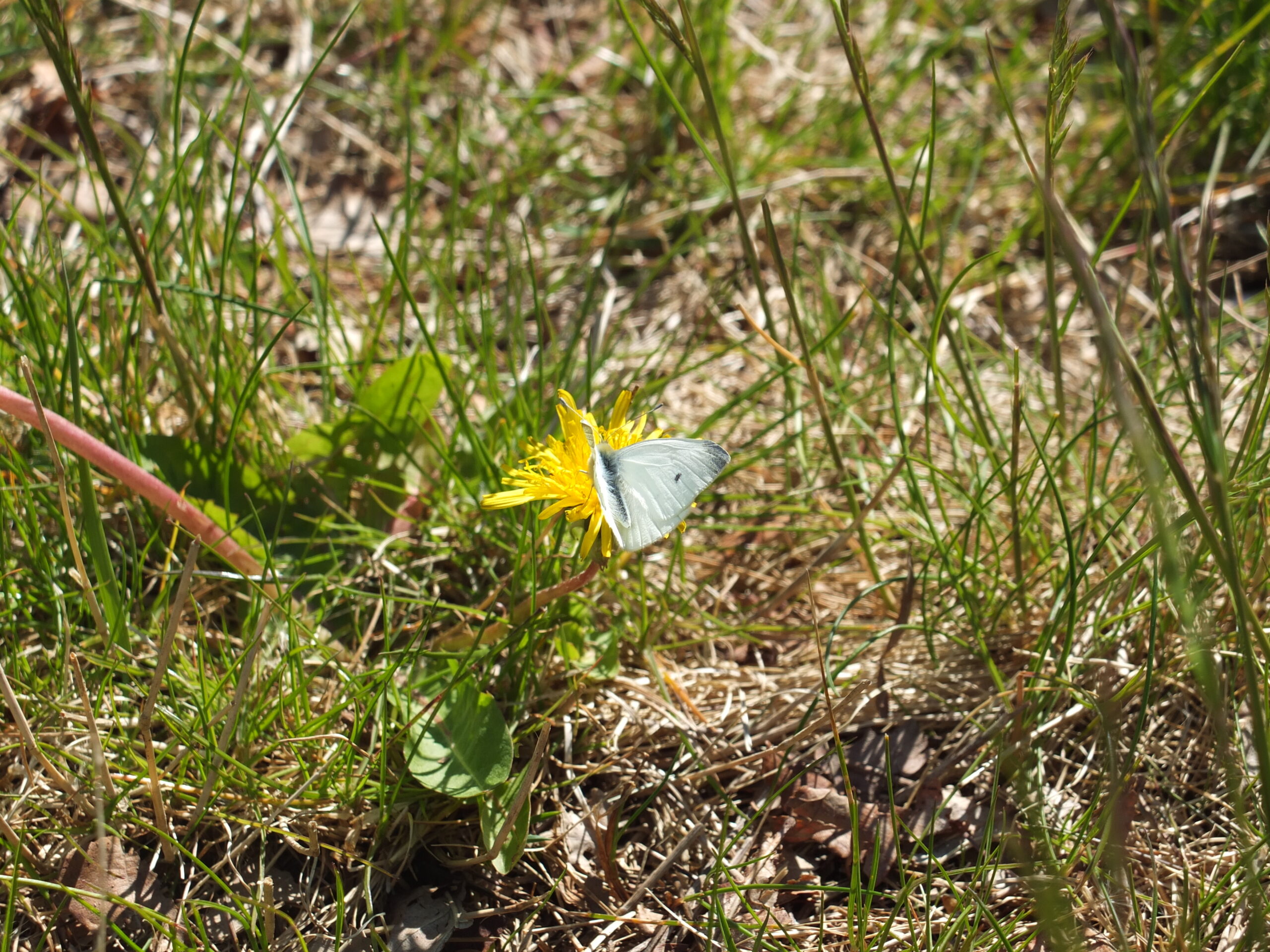
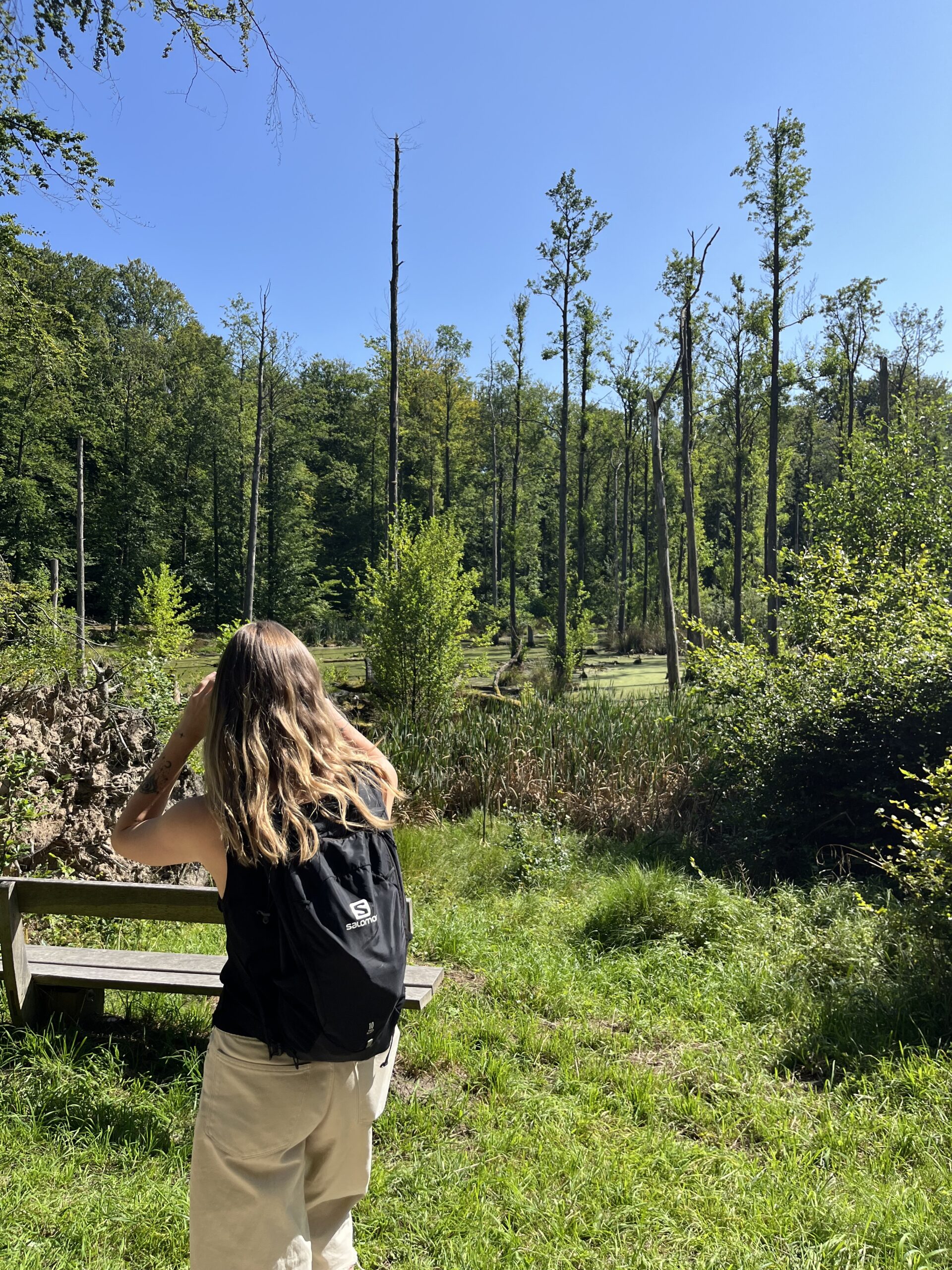
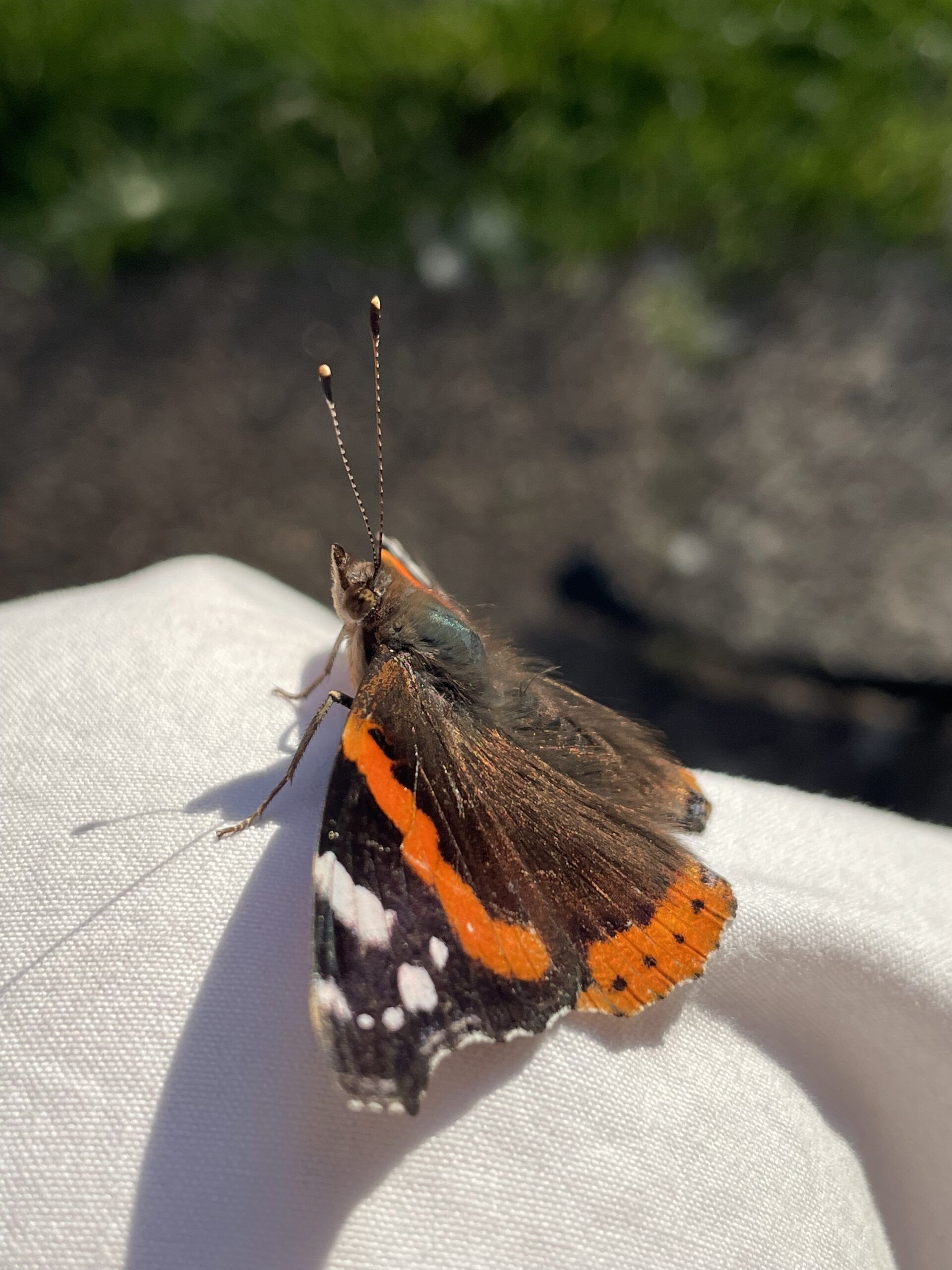
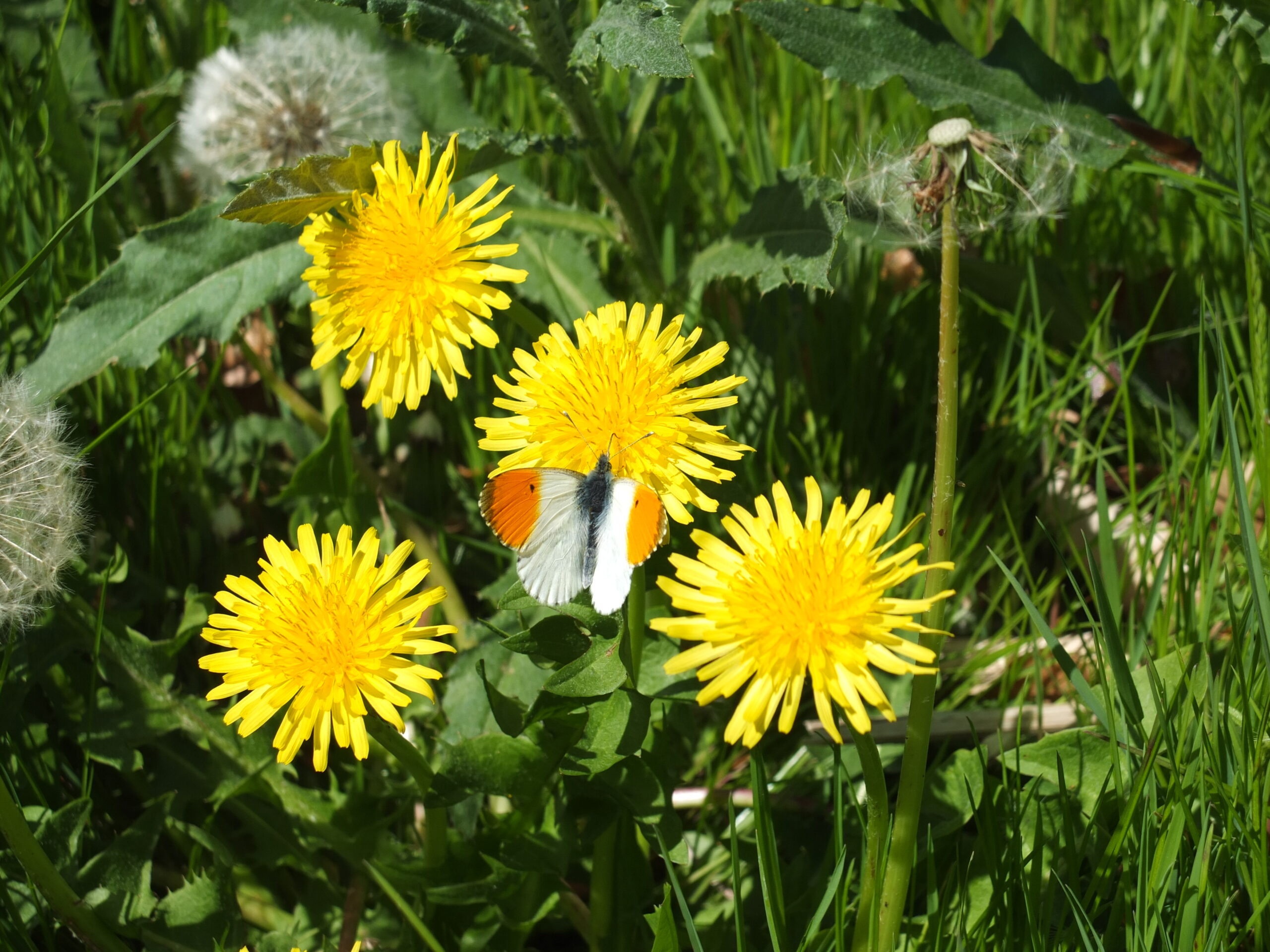
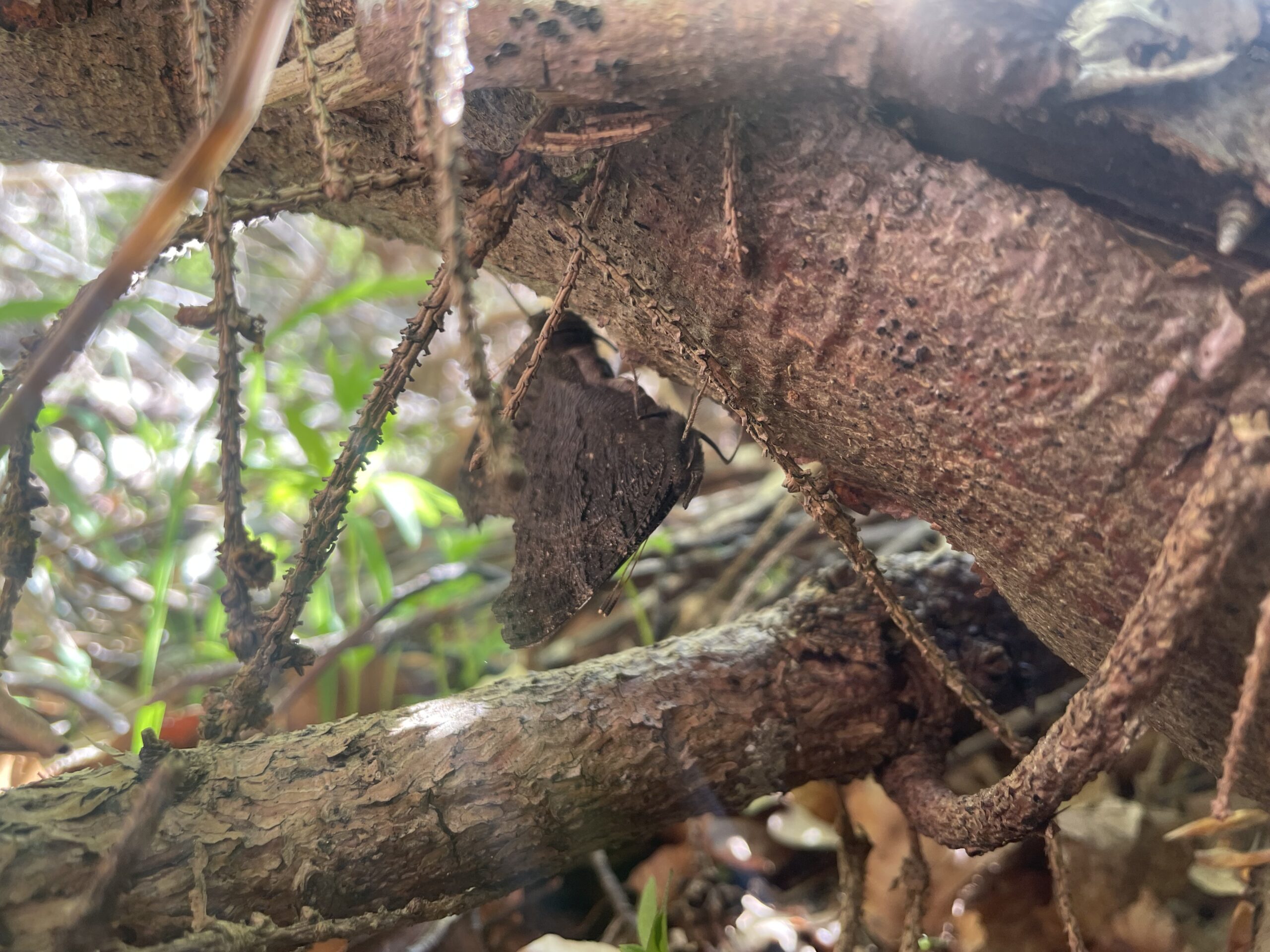
One of the goals could be the quest for the perfect photo of a butterfly.
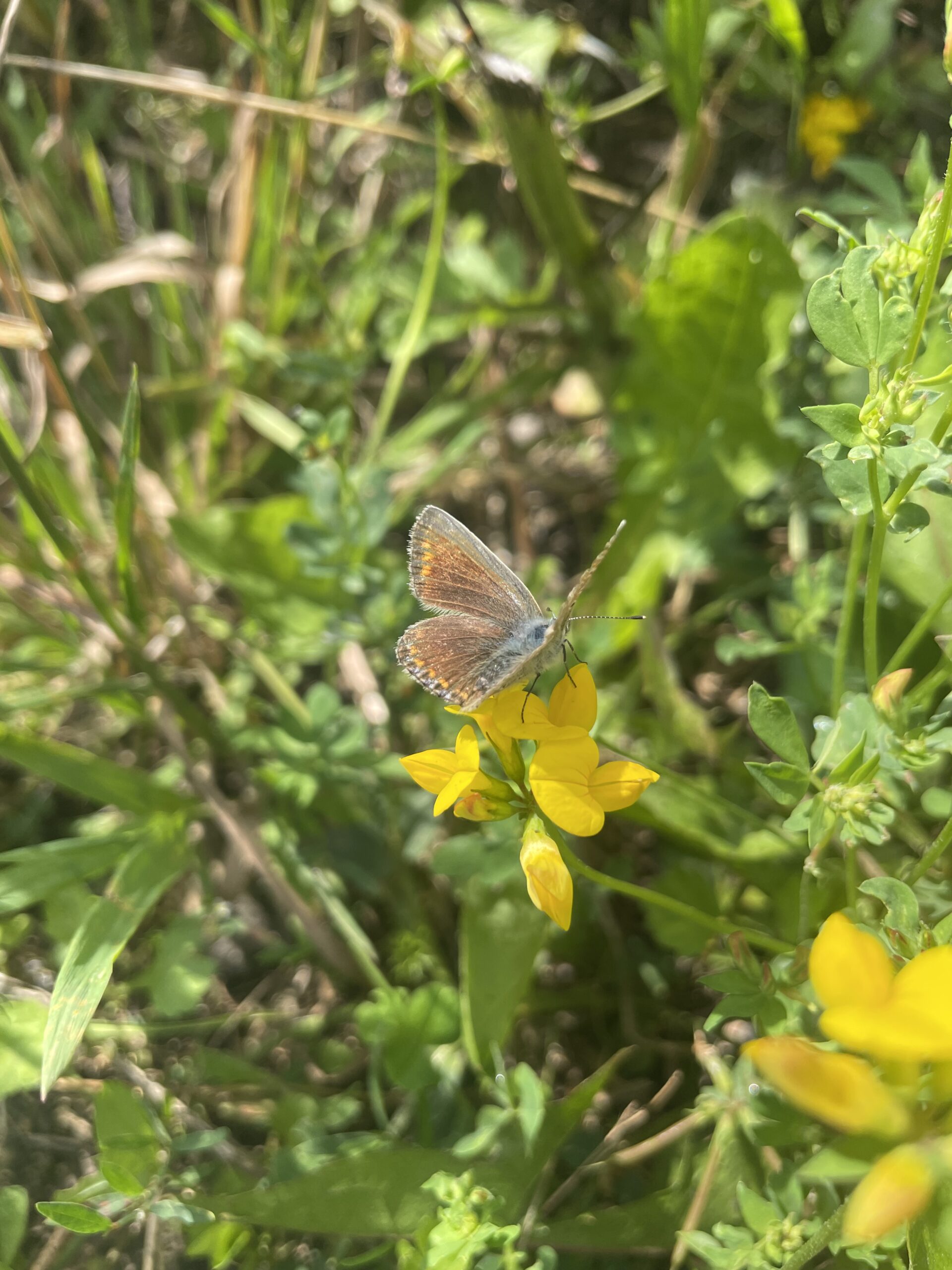
It requires attention, patience, and a bit of cunning. When you go hunting for butterflies, you start to notice the little signs. Maybe you know that the common blue (Polyommatus icarus) is often found near its host plants, including common bird’s-foot trefoil (Lotus corniculatus). Or perhaps, after several outings in nature, you’ve discovered that the woodland brown (Pararge aegeria) often dwells in clearings and along forest edges. Suddenly, you know where to look.
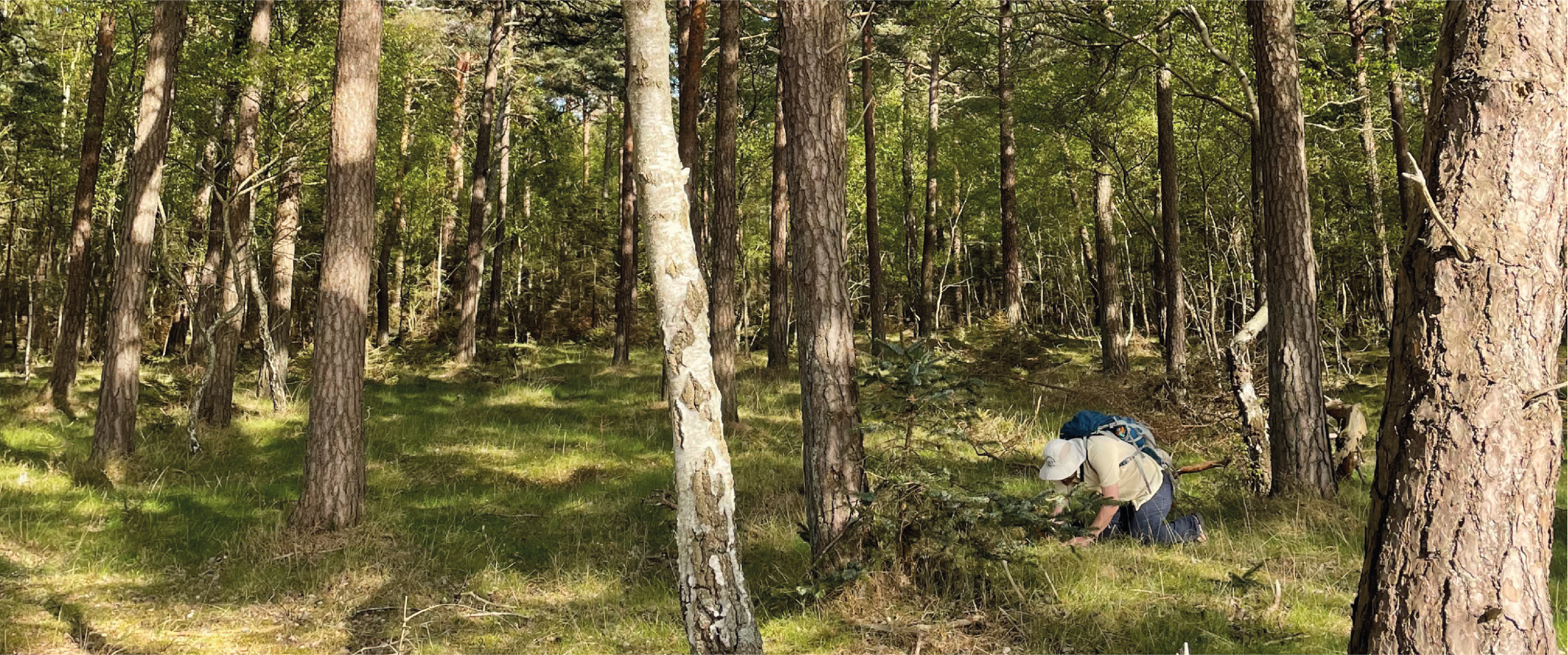
That way, it can almost feel like going on a hunt for nature’s own Pokémon. Each species has its own appearance, its own characteristics, and its own preferred habitat. Some are common and show up again and again, while others are rare and require many trips before you finally spot them. And the more you search, the more you learn about their habitats, behavior, and the plants they depend on.
Your patience is put to the test when you spend hour after hour searching for that one specific species. But when the butterfly finally makes an appearance, the joy of having found it is all the greater.
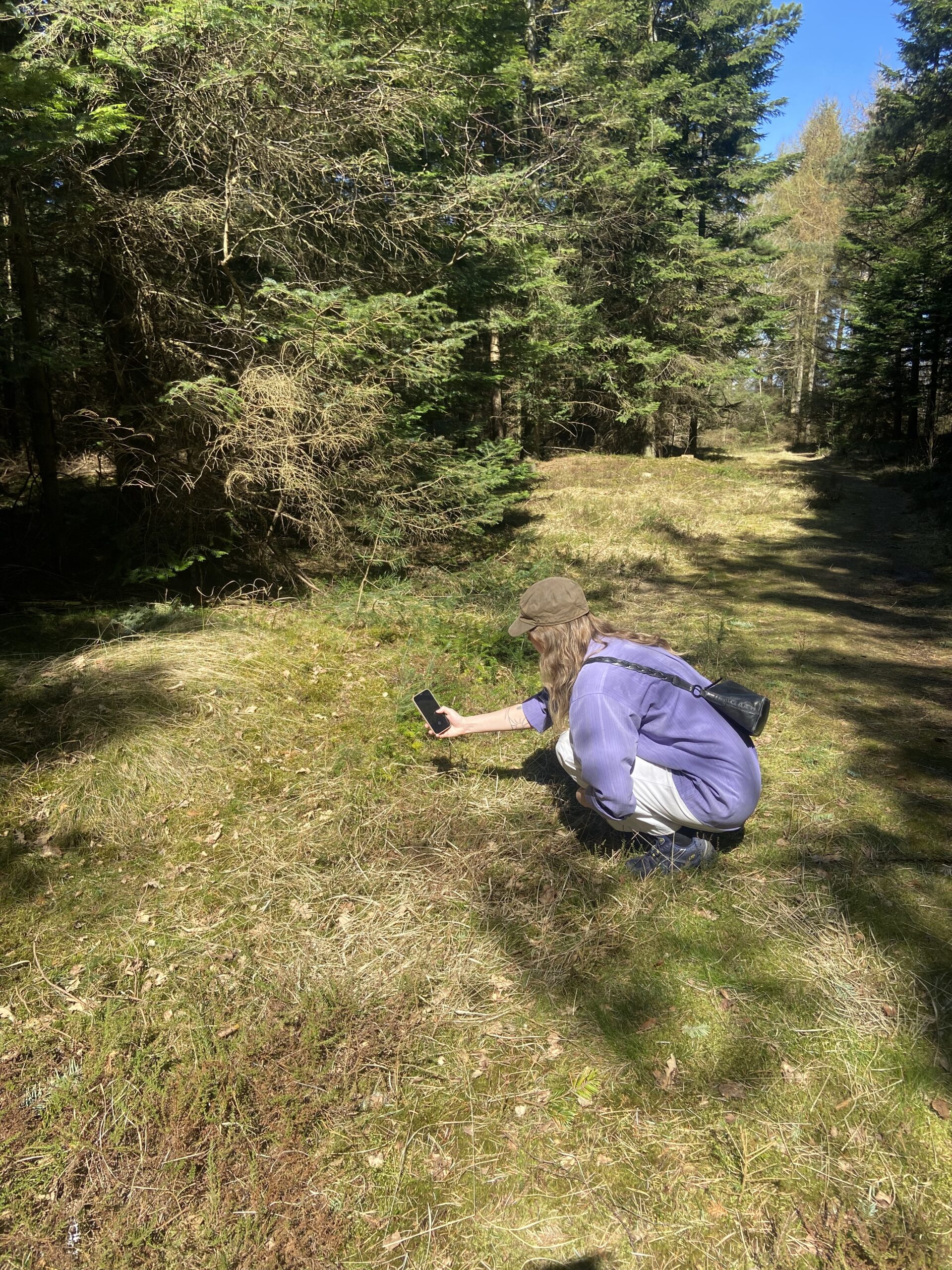
Once you've found the butterfly, the next challenge begins: getting that great shot.
A cell phone camera can easily do the trick. The most important thing isn’t necessarily the most expensive equipment, but how you move and approach the butterfly. Walk slowly, avoid sudden movements, and be careful not to cast your shadow directly over the butterfly. On a sunny and relatively calm day, it’s often easier to get a sharp photo.
Once you’ve taken the photo, we encourage you to record your sighting on Arter.dk. There, you can get help identifying what you’ve found and, at the same time, contribute a sighting that can be used to track trends in Danish species.
There are also plenty of communities where you can find information, help, and inspiration.
On Lepidoptera.dk , you can find information about butterfly host plants, view sightings, and learn more about how to observe and work with butterflies in the field.
There are also various Facebook groups, including Butterflies in the Field, Butterflies and Dragonflies , and Butterflies in Denmark Forum, where you can share photos, get help with identification, and learn from others who are interested in butterflies.
Help the butterflies get through the fall and winter
Fall is on its way, and winter will soon follow. The season for going out to look for butterflies is therefore slowly coming to an end. But there’s still plenty you can do to help them.
Feel free to leave fallen fruit on the ground. It can be an important food source for several butterfly species, including the nettle fritillary (Aglais urticae), which feeds on the juices of fermented and rotting fruit.
Also, leave withered perennials and grasses in place throughout the winter. Many butterflies overwinter as eggs, larvae, or pupae in or near their host plants. Therefore, when we tidy up the garden too much, we may inadvertently remove some of the places where butterflies need to survive the winter.
Piles of twigs and branches, old tree trunks, and stacks of firewood can also provide shelter and hiding places for many small animals.
And you can start researching right now which plants to grow for next season. By choosing plants that serve as both nectar sources for adult butterflies and host plants for their larvae, you can create a garden or area where butterflies have better opportunities to find both food and habitats.
Because perhaps the hunt for butterflies doesn't start with the camera.
Maybe it starts with creating a place where they want to be.
Sources:
- Arter.dk, (n.d.).
- Photos by Lise Klinge.
- Danish Butterflies, Michael Stoltze, (2024).
- Lepidopterological Society, (n.d.).