Not sure what to do with your balcony, but want to do more to support biodiversity in your city? Read on to find out how you can transform your balcony into an oasis teeming with life.
Because even though biodiversity often brings to mind large forests, wild meadows, and vast natural areas, it actually begins right outside our own front door. And yes, even on a balcony!
Biodiversity is about the diversity of life, from plants and fungi to insects, birds, and microorganisms. They all play a role in nature’s grand puzzle, and even small green spaces can help create room for more of them. However, it’s important to note that these small green oases cannot stand alone. The biodiversity crisis is addressed first and foremost in large green areas, but that said, these small green stepping stones are still incredibly important.
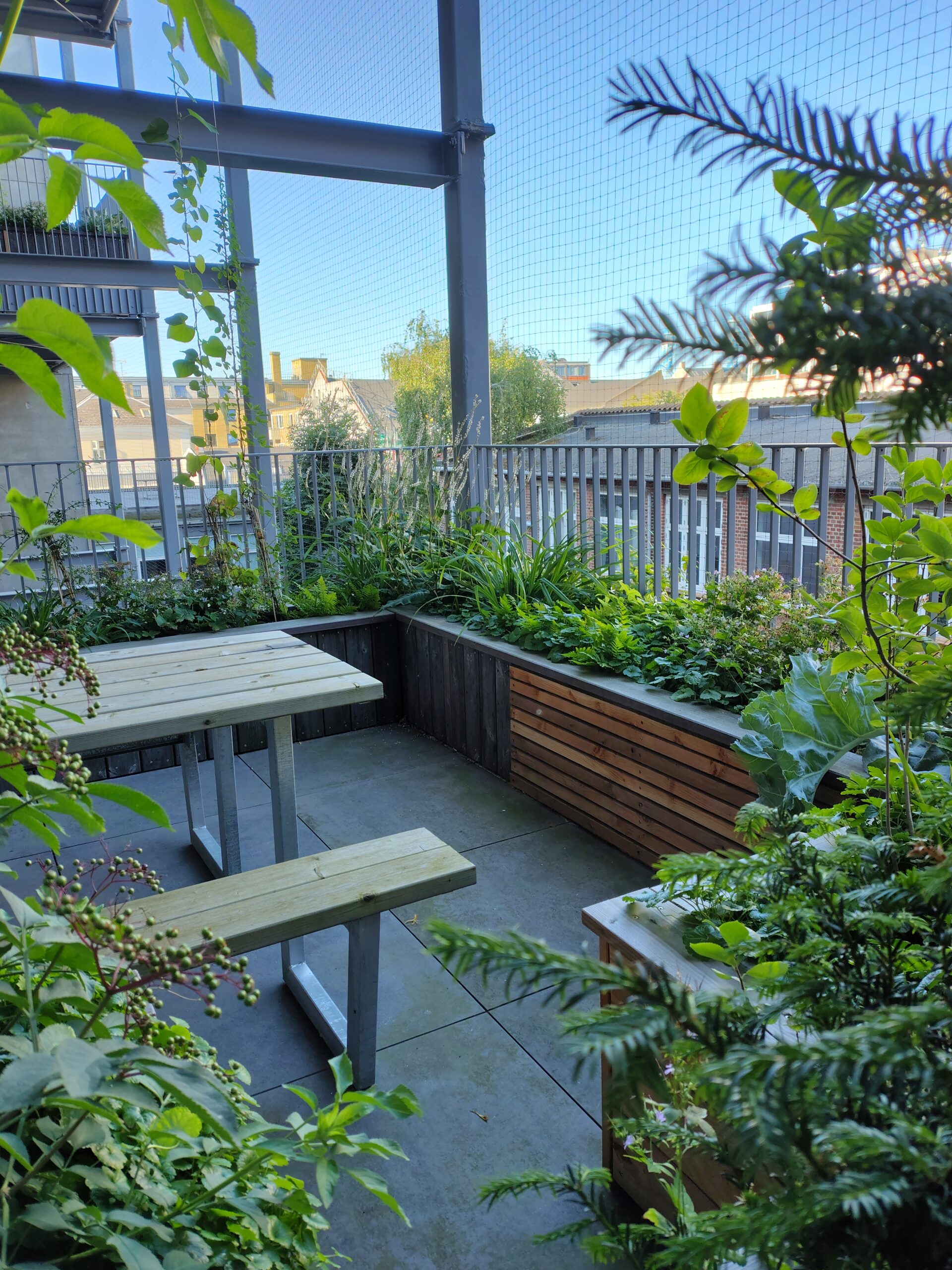
From a concrete wasteland to a blooming oasis
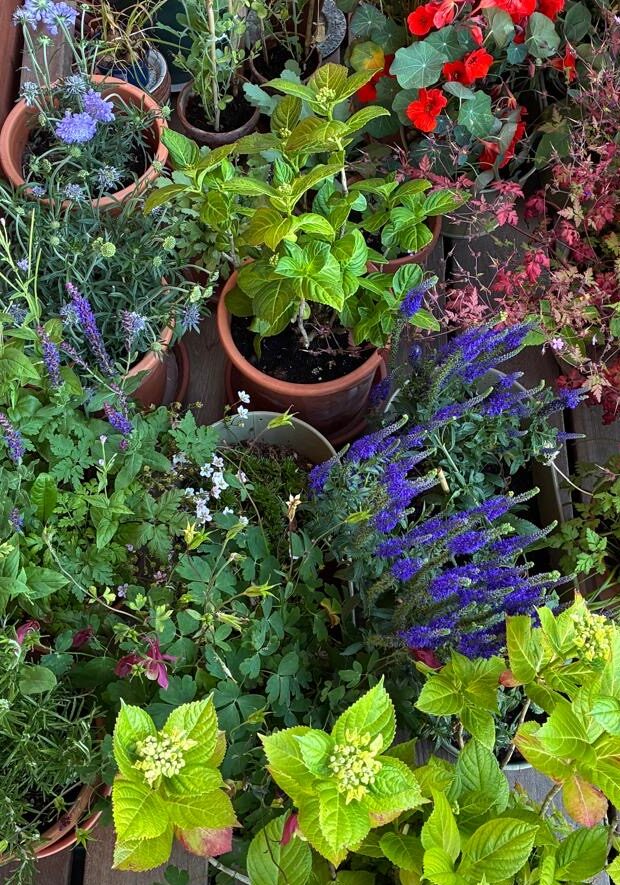
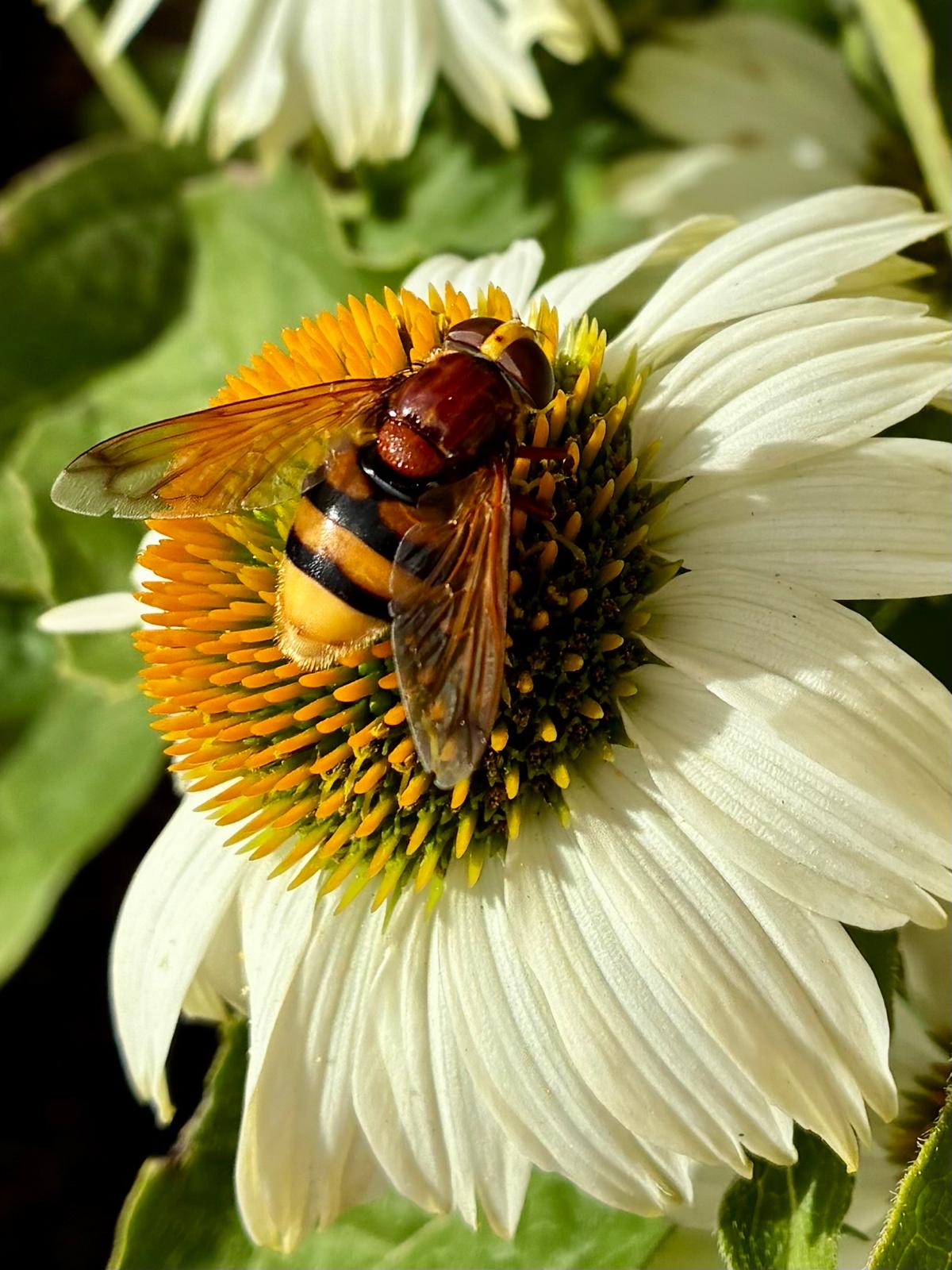
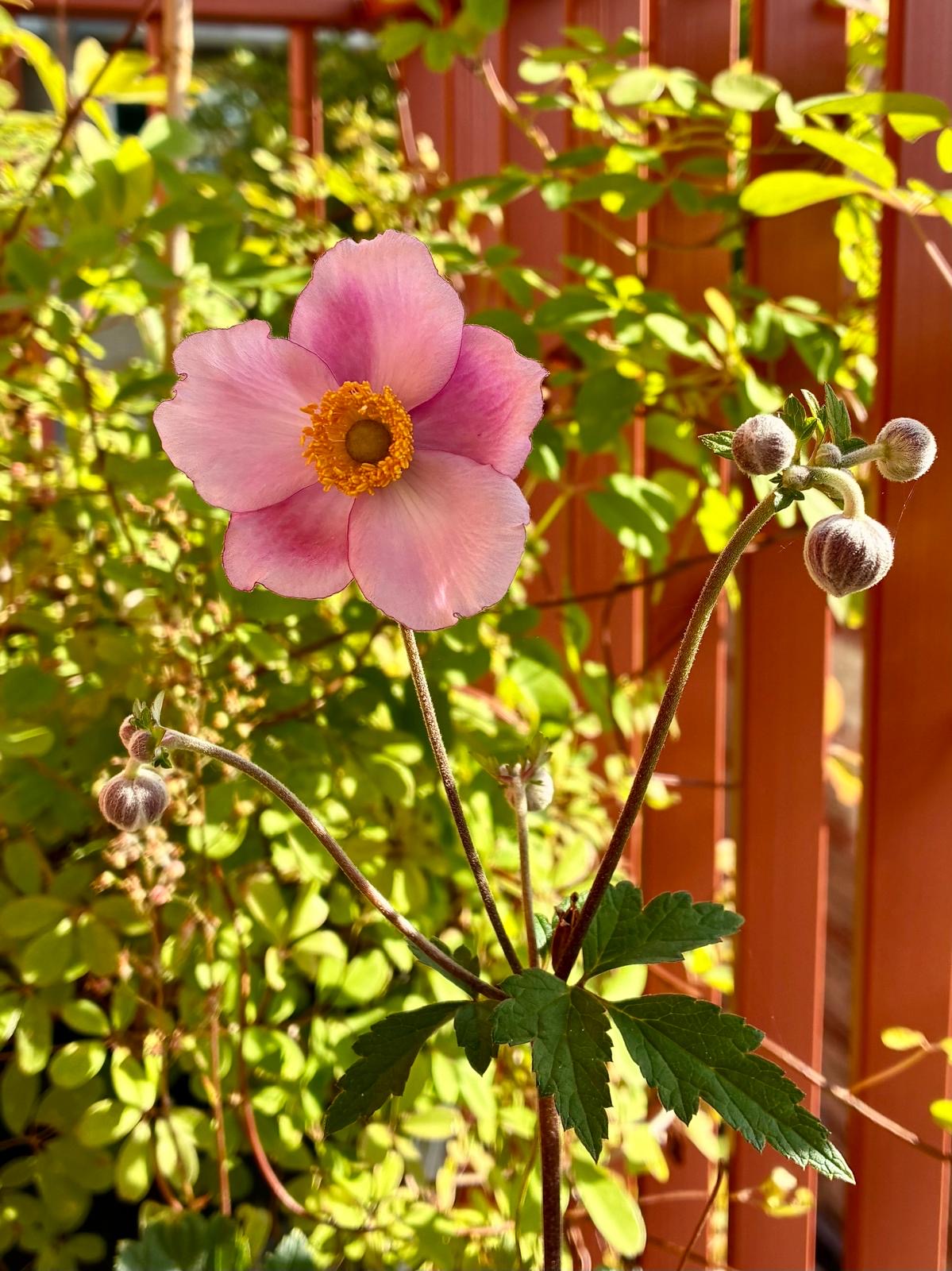
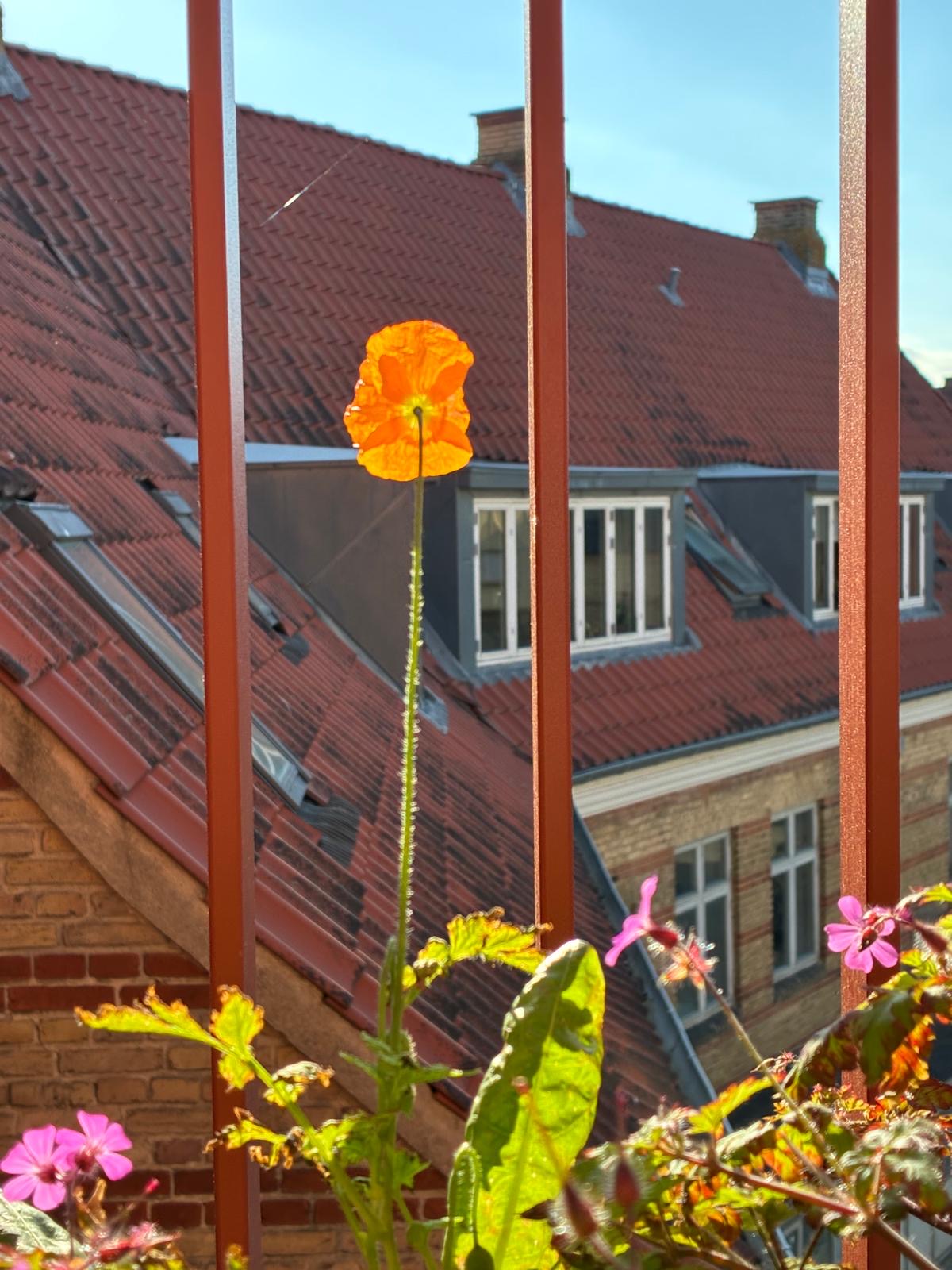
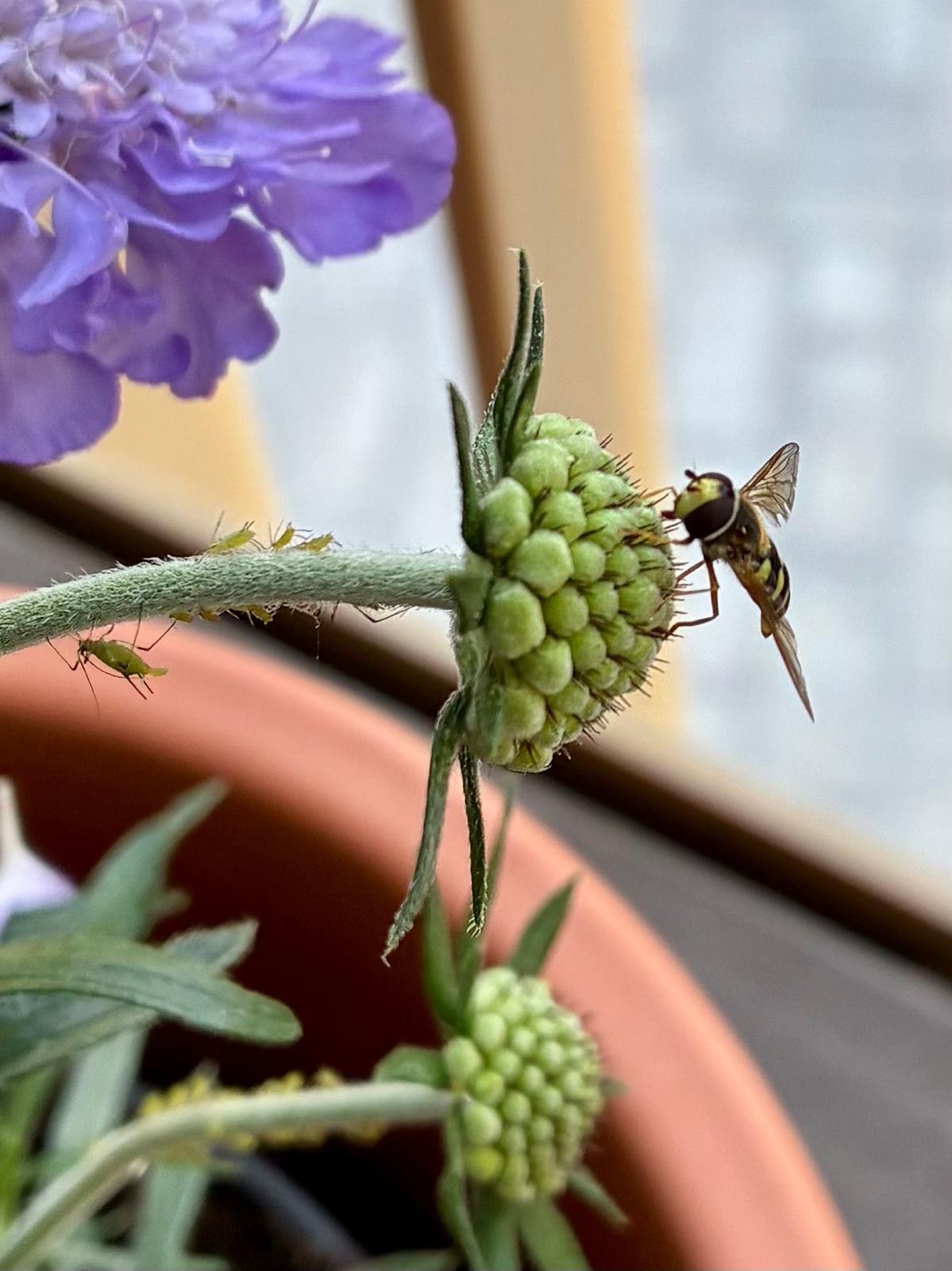
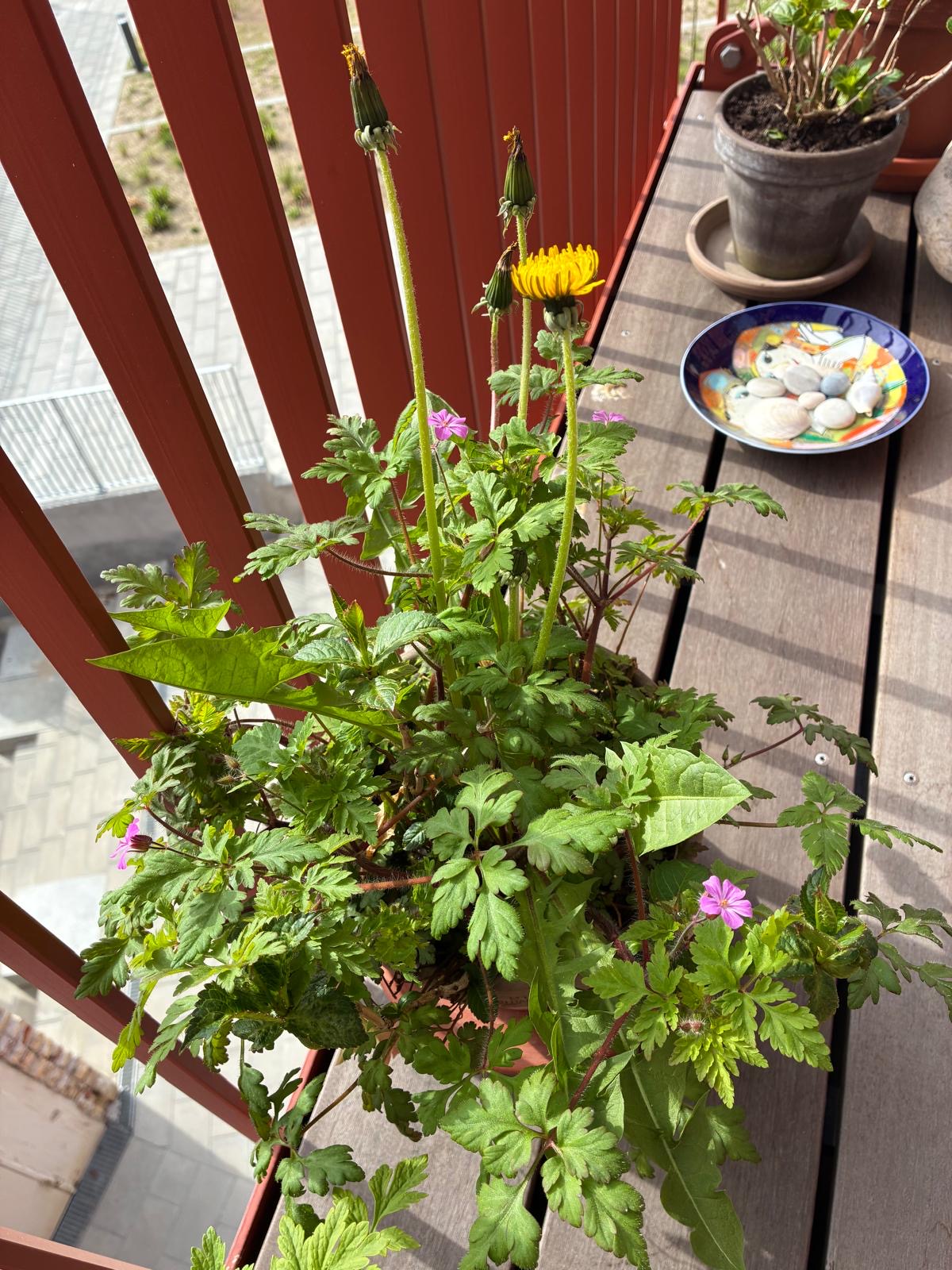
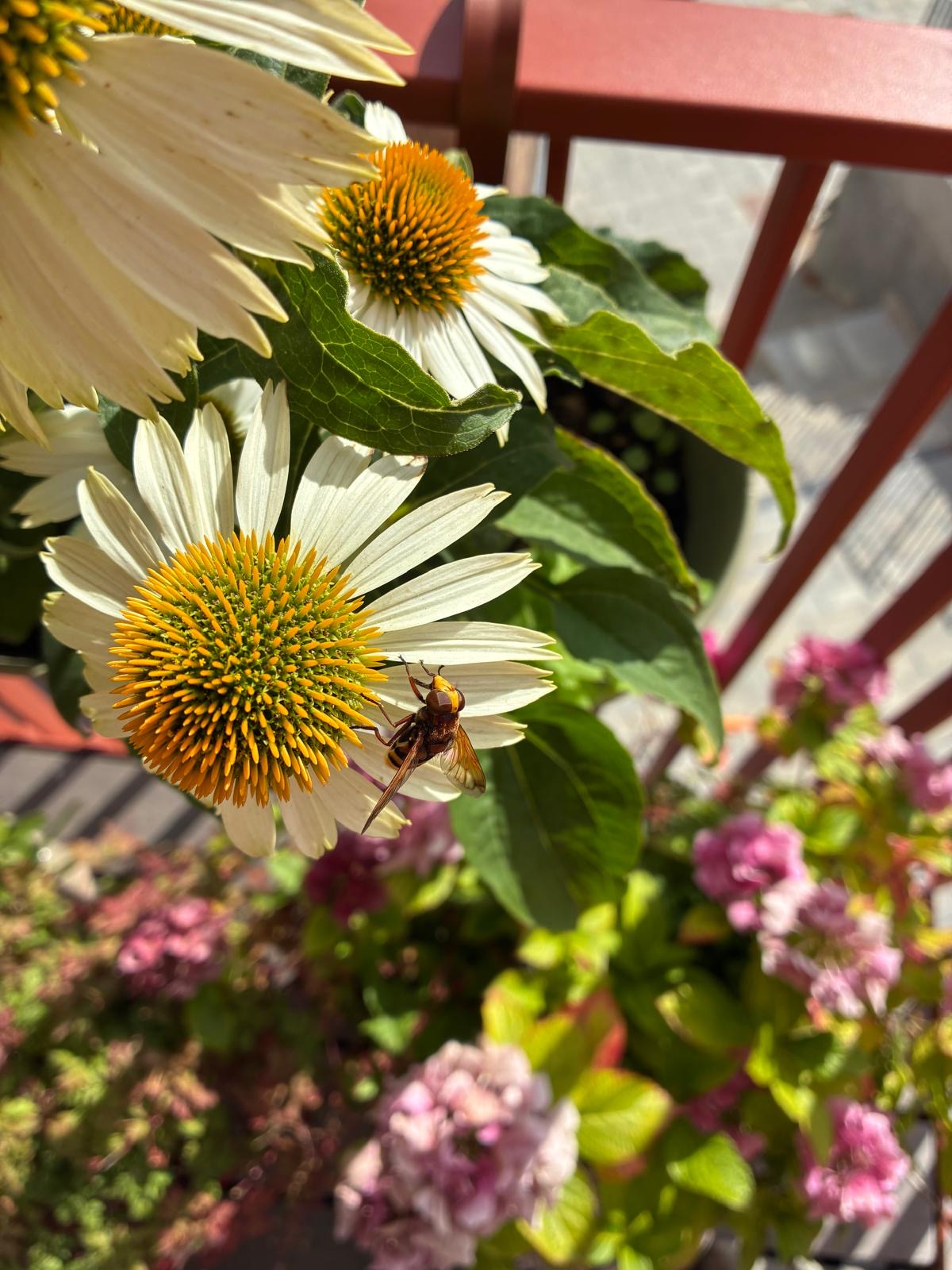
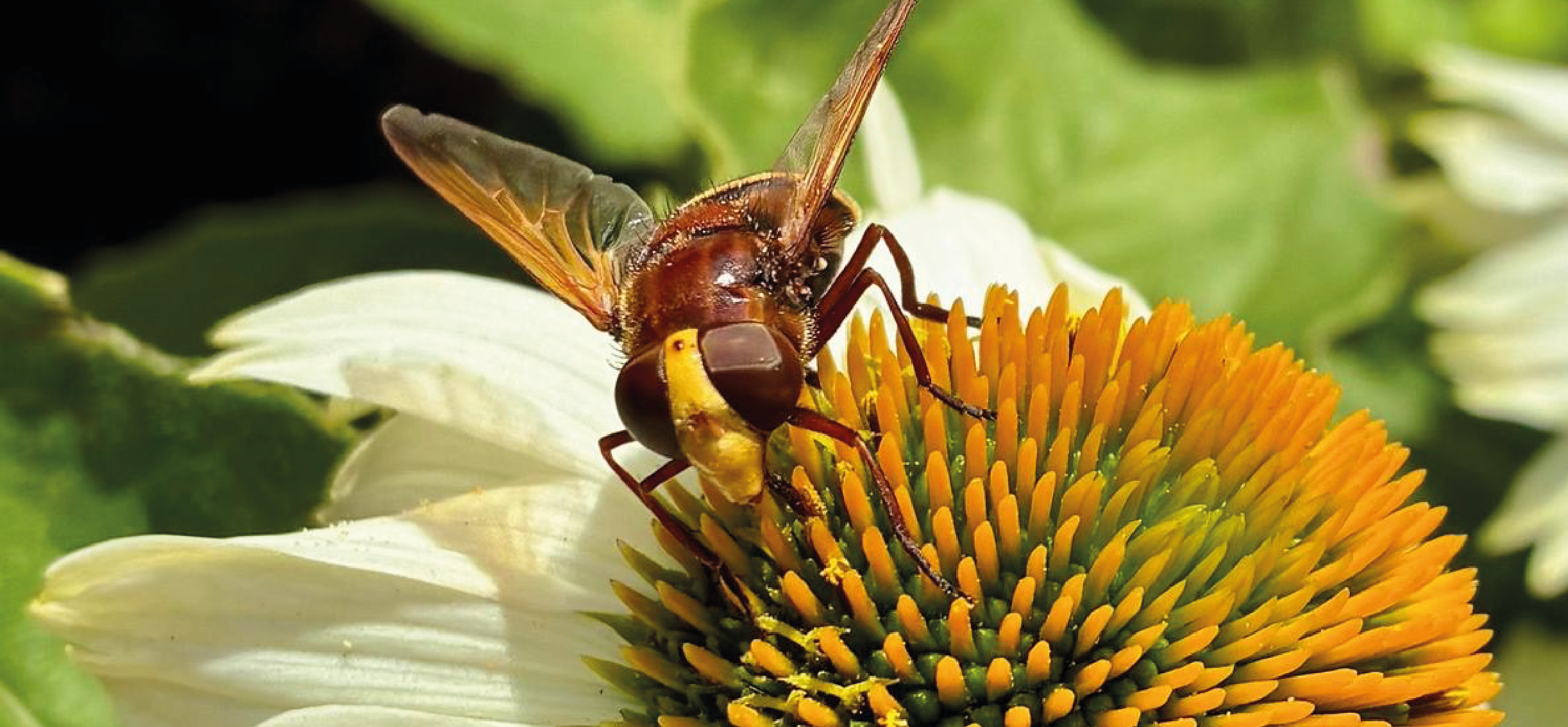
A balcony with flowers, herbs, and green plants can serve as a small stopover for urban wildlife. By choosing a variety of flowers that bloom at different times of the year, you can provide food for insects from early spring through late fall. This is especially important in cities, where green spaces are often scattered among roads and buildings.
Even a single balcony planter box filled with native, insect-friendly plants can make a difference. And if you add a little variety in height, flower shapes, and plant types, the balcony becomes even more interesting for your tiny guests.
A small home with great significance
But biodiversity isn't just about food. It's also about creating habitats.
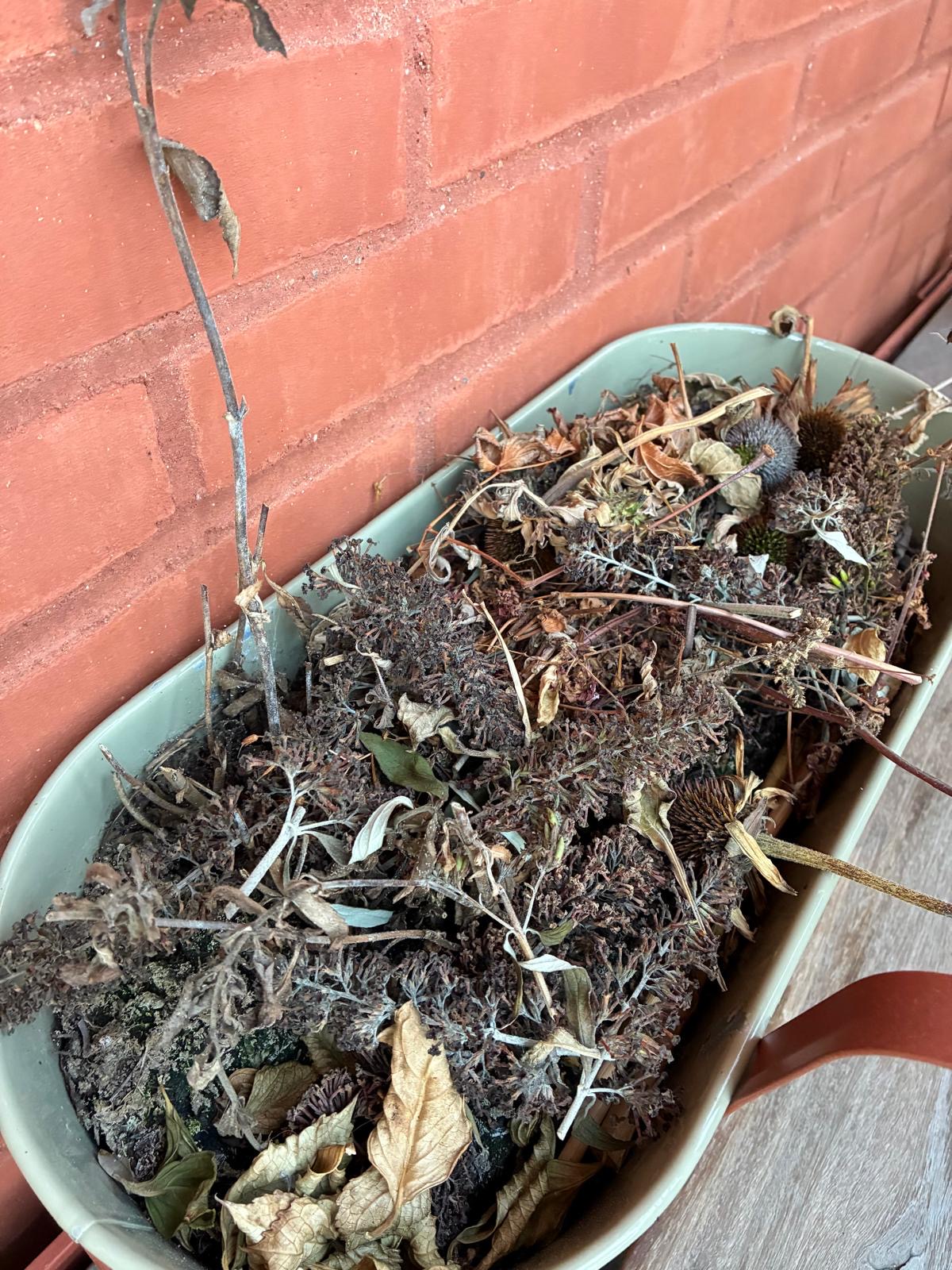
A small pile of twigs, withered leaves, or an undisturbed corner can provide shelter and hiding places for small animals. A bowl of water can help thirsty insects on hot summer days if it’s arranged with stones or other places where they can land safely.
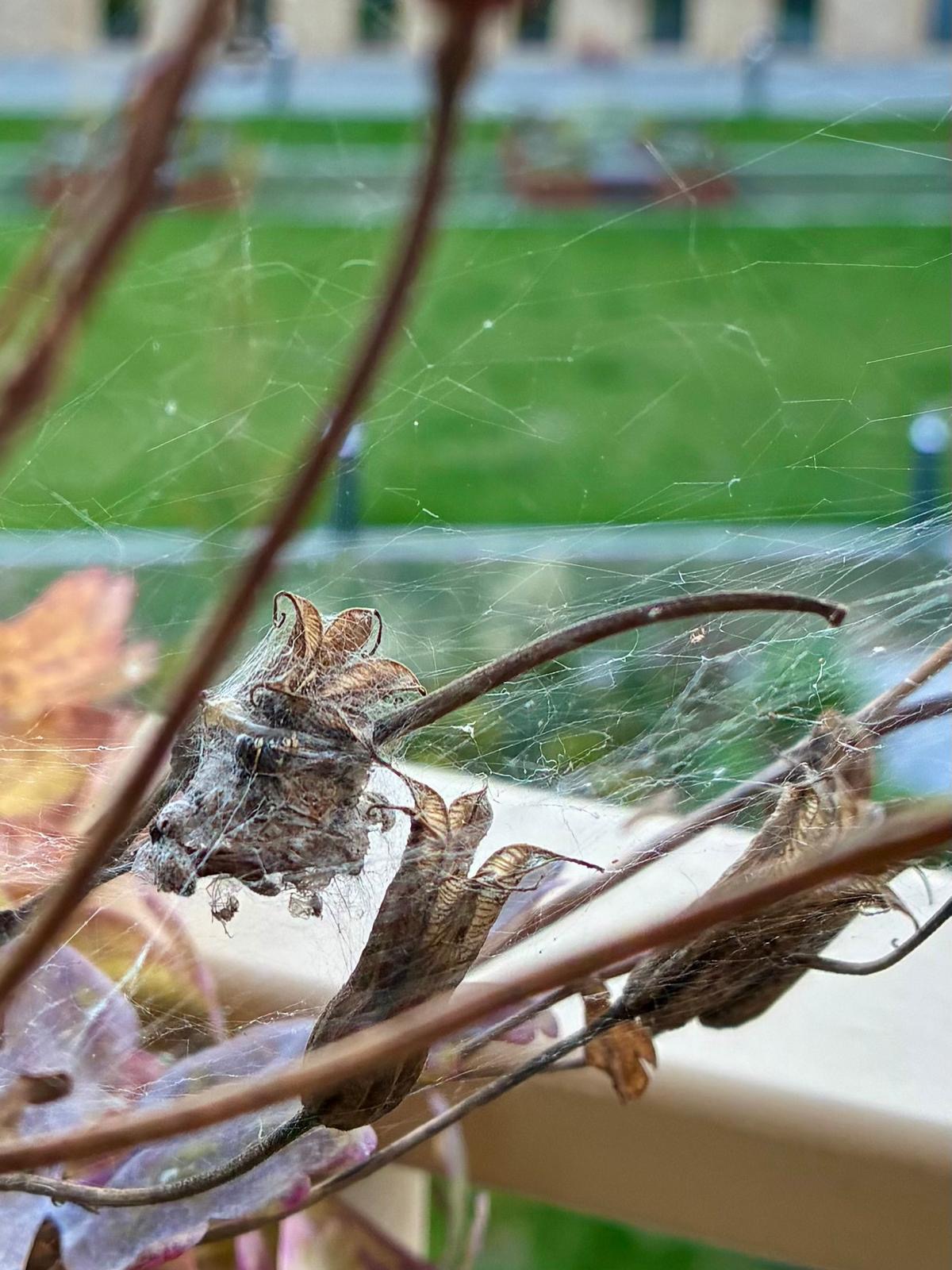
And then, of course, there’s this important detail: You don’t have to keep cleaning up the outdoors all the time. Wilted flowers and seed heads can actually be little treasure troves of food and hiding places as summer draws to a close.
In other words, it’s perfectly fine if your balcony doesn’t look like the cover of a home decor magazine. Nature is rarely perfectly manicured, and that’s precisely part of its charm.
Small actions, big ripples
Of course, a balcony can’t replace a meadow or a forest. But it can serve as a small, green link in the city, where animals and plants have better opportunities to thrive. When multiple balconies, courtyards, and green roofs come together to create small habitats, they can contribute to a more diverse urban environment.
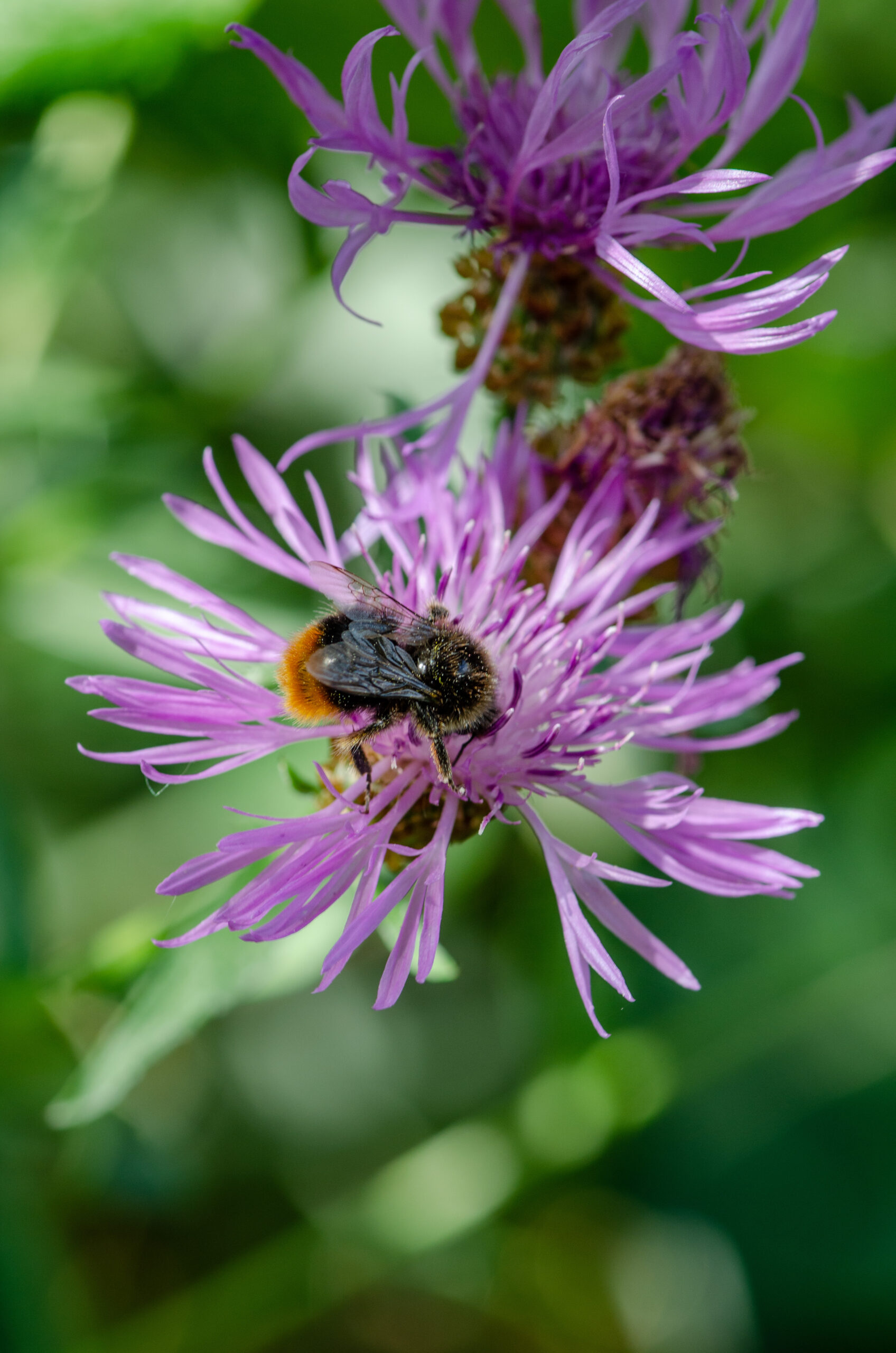
At the same time, we humans also benefit. Green surroundings can bring a sense of calm, spark curiosity, and bring us closer to nature’s little miracles. Suddenly, it’s no longer just a Tuesday morning with coffee and traffic noise, but also an opportunity to watch a bumblebee struggling its way into a flower’s corolla or to discover that a tiny caterpillar has chosen our very balcony as its pantry.
So the next time you plant a flower on your balcony, think of it as a little invitation to nature. It doesn’t have to take up much space, cost a fortune, or require a green thumb. It just needs to make room for life.
Because even in the midst of the big city’s hustle and bustle, a small balcony can become a place where nature is allowed to breathe.
Sources, professional inspiration, and further reading:
- Ruskov-Nielsen, J. (2025, March 21). The Most Amazing Balcony—How to Create a Balcony Full of Flowers and Butterflies. The Danish Society for Nature Conservation. Read the article here.
- Bjørn, M. C., Ro-Poulsen, H., & Ørgaard, M. (February 1, 2022). Planning for Biodiversity in Urban Green Spaces. Department of Geosciences and Natural Resource Management, University of Copenhagen. Knowledge Sheets: Park and Landscape, No. 06.08-14. Read the article here.
- Photos by Katja Klinge & Building Biodiversity.