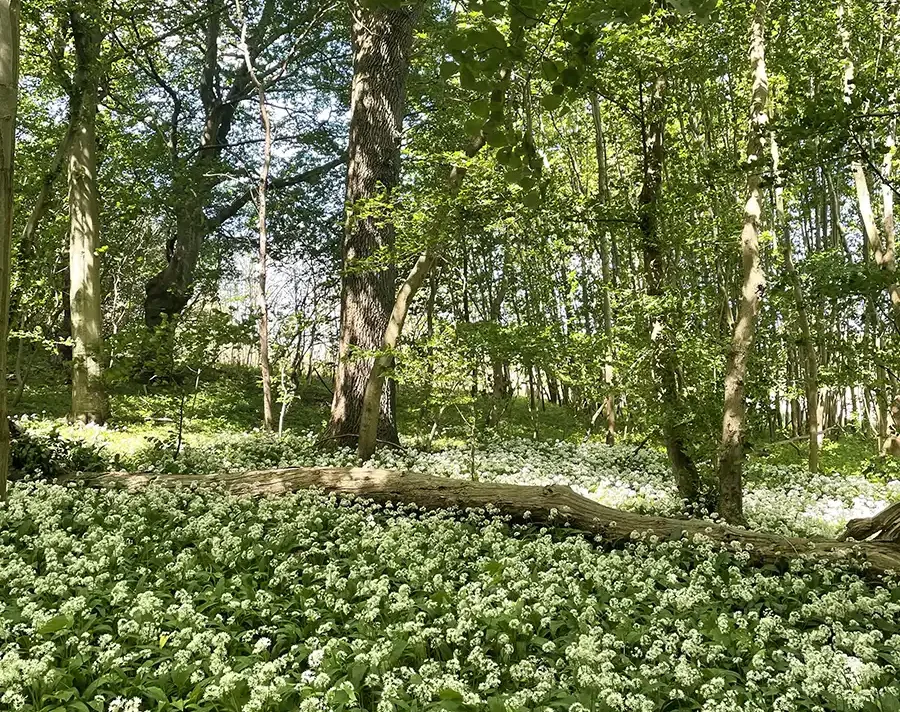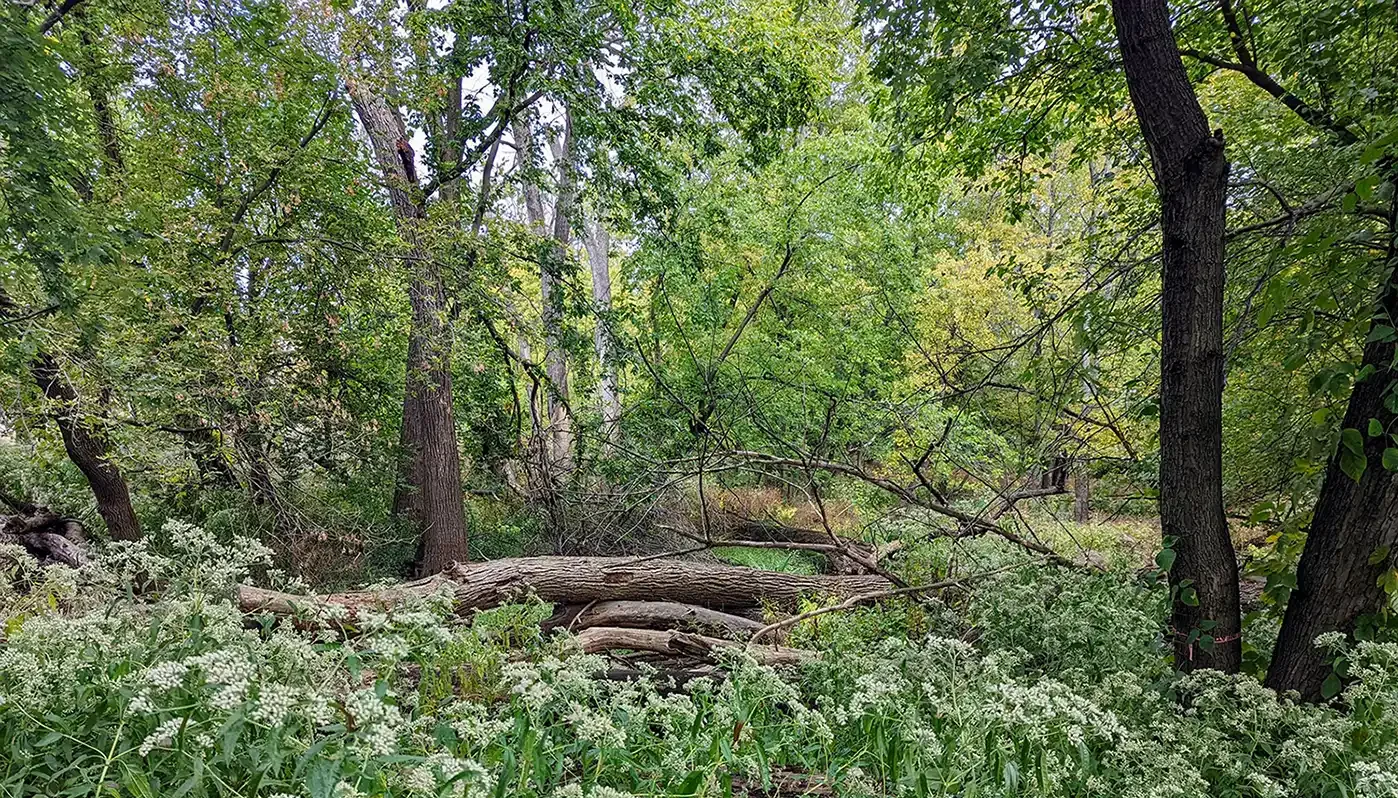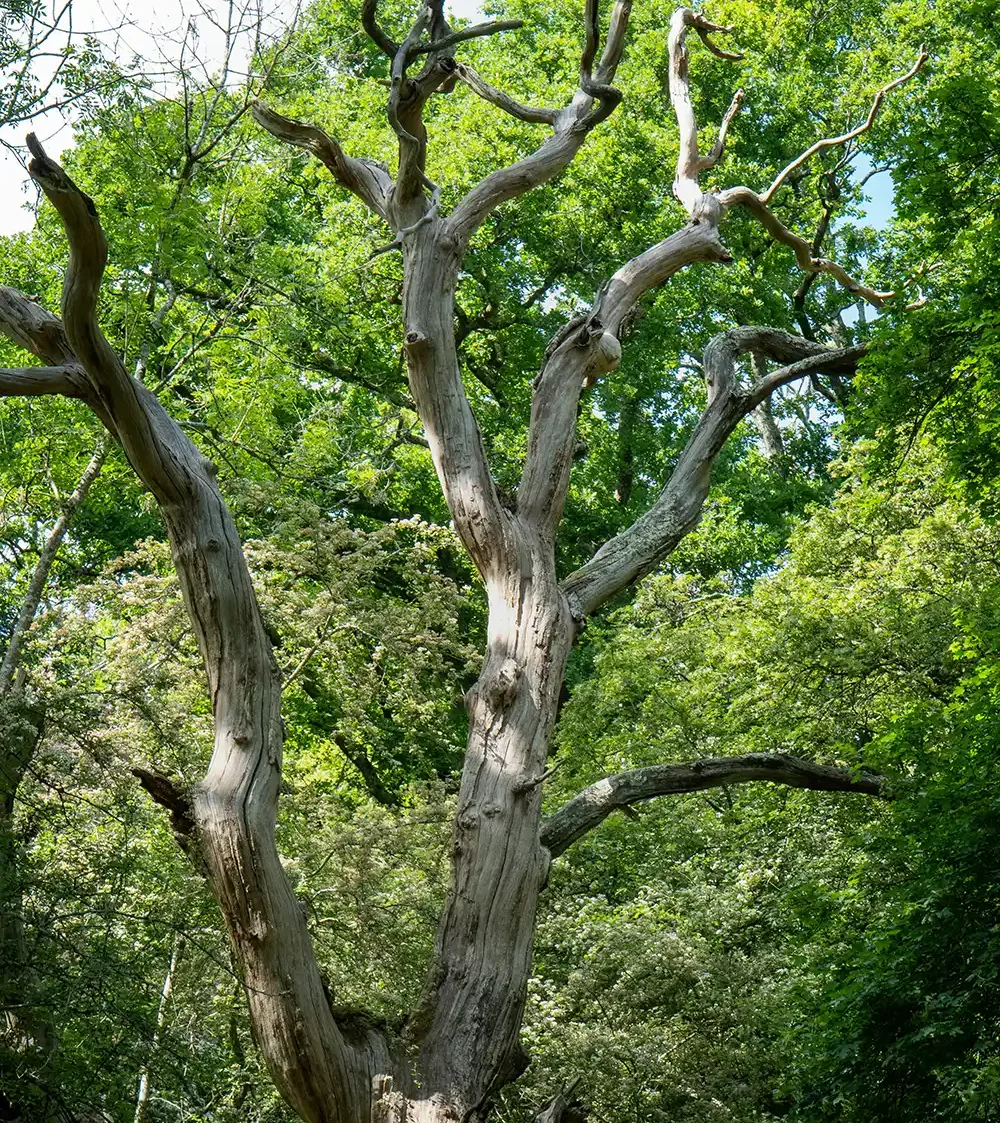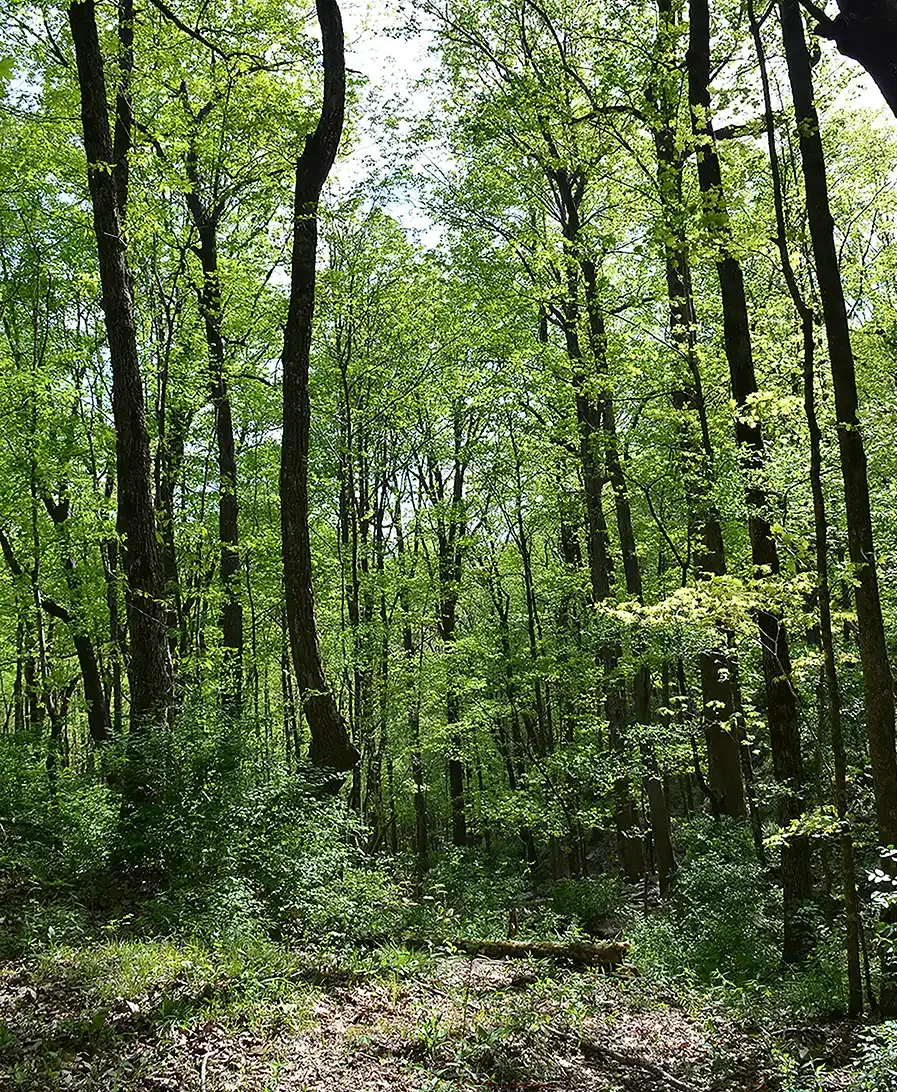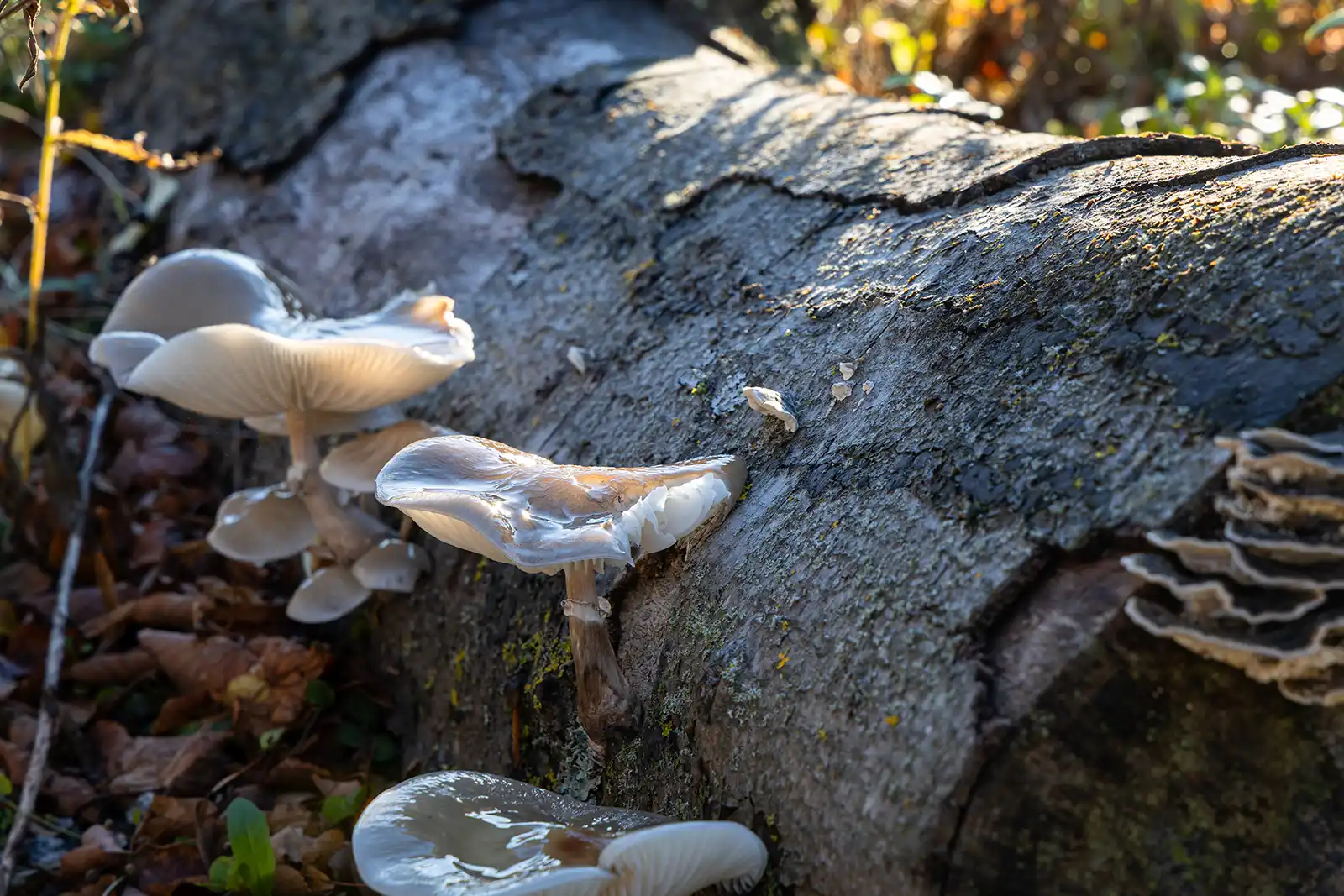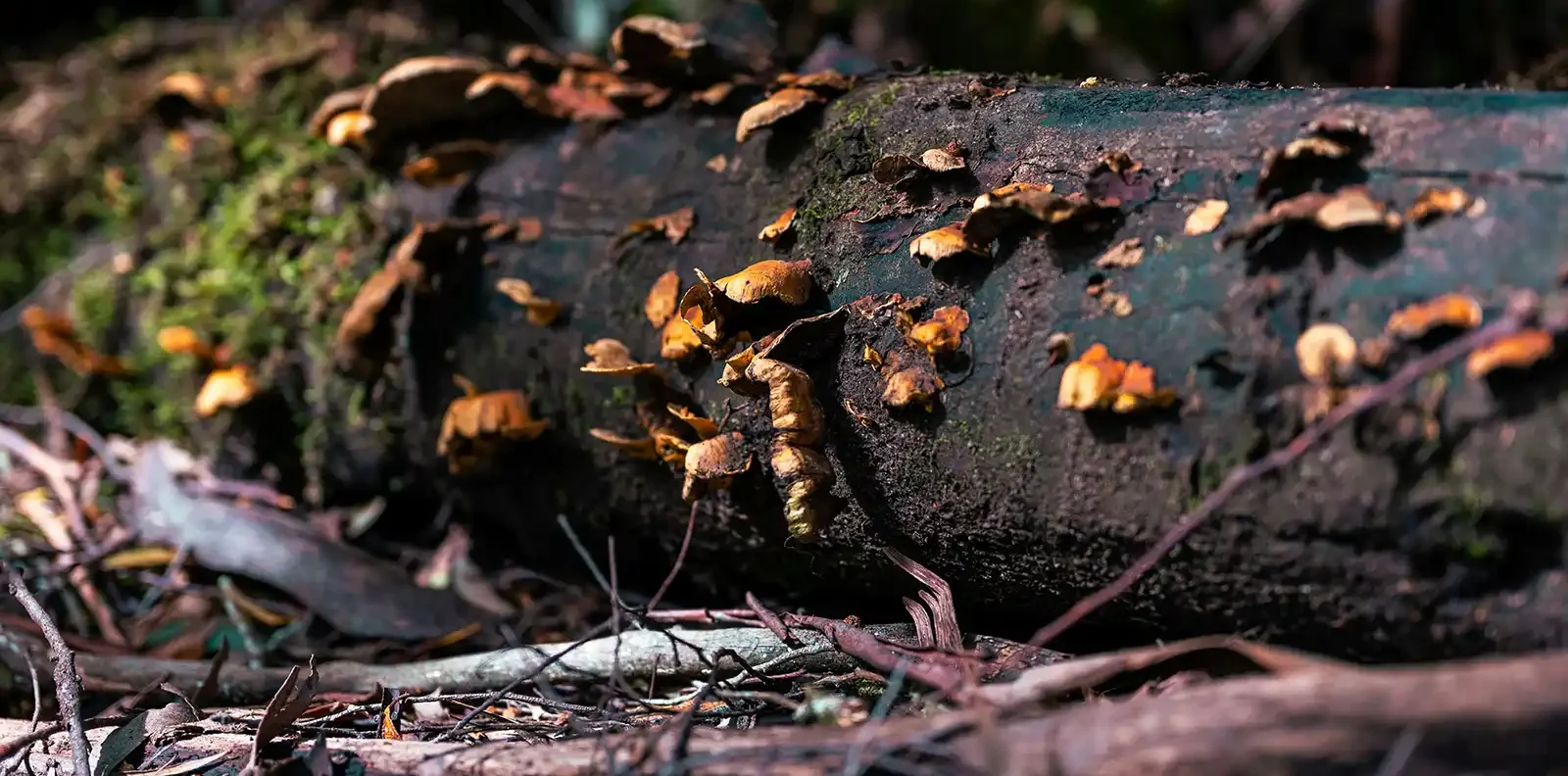
Imagine a forest where no one cuts down the old trees, removes fallen trunks, or clears the forest floor. Where trees are allowed to grow, age, and die, and where new generations sprout up among the old trunks. That is the basic idea behind an undisturbed forest.
Over time, humans have played an active role in many forests. Trees have been cut down for lumber and firewood, the forest floor has been cleared, and dead branches and trunks have been removed. But when these human interventions cease, natural processes are given the opportunity to shape the forest on their own terms.
This means that the forest gradually develops a greater variety of habitats. Old trees remain standing, some fall during storms, and dead trunks are left lying on the ground to slowly decompose. At the same time, clearings emerge where new trees and plants can grow.
For many species, this very diversity is crucial. Dead wood, for example, can serve as a habitat for fungi, beetles, and other insects, while old trees with hollows and crevices provide shelter and nesting sites for birds and bats. Clearings and areas with varied vegetation also create space for other plant and animal species.
Suserup Forest: A Glimpse into the Forest's History
One place where you can experience some of these natural processes is Suserup Forest in Sorø Municipality. This 19-hectare natural forest has a history stretching back thousands of years.
Pollen analyses from a small forest bog show that the area has been covered by more or less dense forest all the way back to the last ice age. Studies of plant remains also show that tree species such as linden, sessile oak, and Scots pine have grown in the area for several thousand years.
However, humans have also left their mark on the forest. Among other things, it has been used for grazing, haymaking, gathering firewood, and logging. Since 1961, however, the forest has, in principle, been allowed to develop on its own without cutting down trees or removing dead wood.
Suserup Forest therefore offers a unique insight into how a forest can develop when natural processes are allowed to continue over a long period of time.
After all, an undisturbed forest isn’t about nothing happening. On the contrary. It’s about giving nature the space to create change, variation, and new habitats on its own.
Sources, professional inspiration, and further reading:
-
Suserup Forest (2021). Trap Denmark | Lex. Read the article here.
-
Leyssac, N., et al. (2022). Practical Nature Management, Module 2 – Habitat Types. University of Copenhagen.